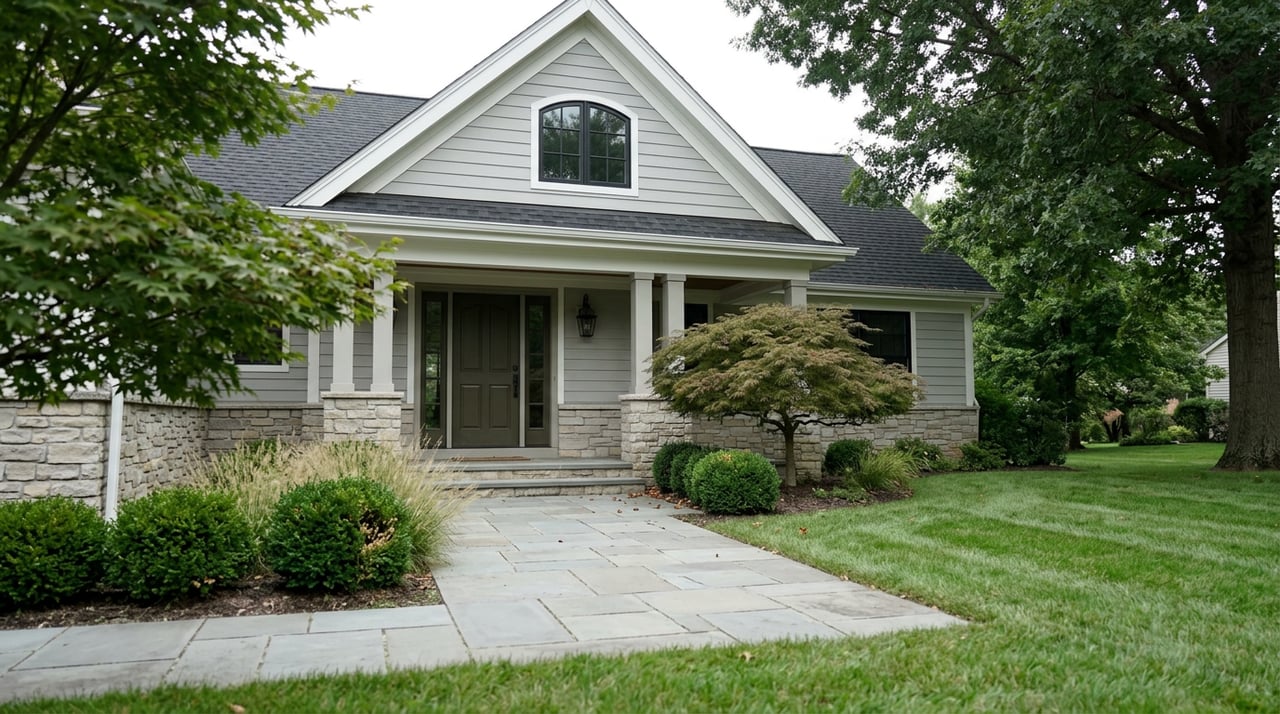
Two people can look at West Windsor real estate this month and walk away with opposite conclusions. One sees a median sale price of $1,066,656 in August 2026, homes taking an average of 85 days to find a buyer, and reads it as a market that has finally cooled off after years of frenzy. Another sees the same township, an active listing count that's stayed thin for years, and detached homes under $1.2 million still drawing multiple offers, and reads it as a seller's market that never really loosened its grip.
Both readings are correct. They're just describing different parts of the same town. The number that gets missed in almost every West Windsor market recap is 480: the number of affordable housing credits the township is legally obligated to produce by 2035, and the specific pipeline of new construction now moving through approvals to meet it. That pipeline is why the median price is starting to behave strangely, and it's the piece a buyer comparing West Windsor to Princeton, Montgomery, or Lawrence needs before they draw conclusions from a single portal snapshot.
Two Numbers That Don't Agree
Start with the contradiction itself. Homes sold in West Windsor for a median of $1,066,656 in August 2026, taking an average of 85 days on the market. A year earlier, that same average was 56 days. That's a real, measurable slowdown in how fast the typical West Windsor home changes hands.
But zoom into the resale detached-home segment specifically, and a different picture holds. Earlier in 2026, listings under $1.2 million were still drawing multiple interested buyers and competitive bidding, the kind of activity that doesn't square with an 85-day average. Both things are true at once because they're not measuring the same market. West Windsor doesn't have one housing market right now. It has three, and they're moving at different speeds under a single township-wide median.
The township's Fourth Round affordable housing obligation, settled through the state's Affordable Housing Dispute Resolution Program, is 480 credits, to be met through 2035.
That settlement, adopted by the West Windsor Planning Board on February 4, 2026, is the mechanism behind the widening days-on-market number. It's not that buyers vanished. It's that a wave of new supply, some of it market-rate and some of it income-restricted, is entering the pipeline at the same time resale inventory stays tight, and the two trends are canceling each other out in the townshipwide average.
The Supply Wave Nobody Priced Into the Median
The township's adopted Housing Element and Fair Share Plan identifies eight specific sites expected to generate 411 new units, which climb to 507 affordable credits once state bonus multipliers are applied, clearing the 480-credit obligation with a modest buffer. The West Windsor Planning Board spent part of its February 18, 2026 meeting working through the zoning ordinances that make this possible, including new R5E and R5F residential districts built specifically around two of the larger sites.
The named projects worth knowing if you're shopping this market:
- The BMS site, rezoned R5E, is planned for 650 total units, with 163 designated affordable. That's a single development roughly on the scale of a small subdivision landing all at once.
- The Woodmont site, rezoned R5F, adds another 35 units under a similar affordable set-aside structure.
- Townes at West Windsor, built by K. Hovnanian, is delivering 60 one, two, and three-bedroom homes for sale to income-qualified households, built out in phases with pricing reassessed at each phase's start.
- Regency at West Windsor, a Toll Brothers 55+ community at the intersection of Old Trenton Road and Dorchester Drive, is now planned for as many as 88 low-maintenance townhomes priced from $674,000 to $832,000, with clubhouse, pool, and trail amenities slated to open in the community later this year.
- A Pulte project near the Princeton Junction station, still working through regulatory approval, is planned for roughly 150 townhomes and 48 condos. It follows Pulte's earlier Link at W² community at the same station, which sold out completely.
None of that inventory shows up in a portal's "active listings" count today because most of it isn't listed yet. But it's real, it's zoned, and in several cases it already has a groundbreaking timeline. A buyer comparing West Windsor's median price to Princeton's or Montgomery's is comparing a snapshot to a town in the middle of adding hundreds of units it didn't have a year ago.
Three Markets Wearing One Median
Once you separate the pipeline from the resale stock, the confusing days-on-market swing makes more sense.
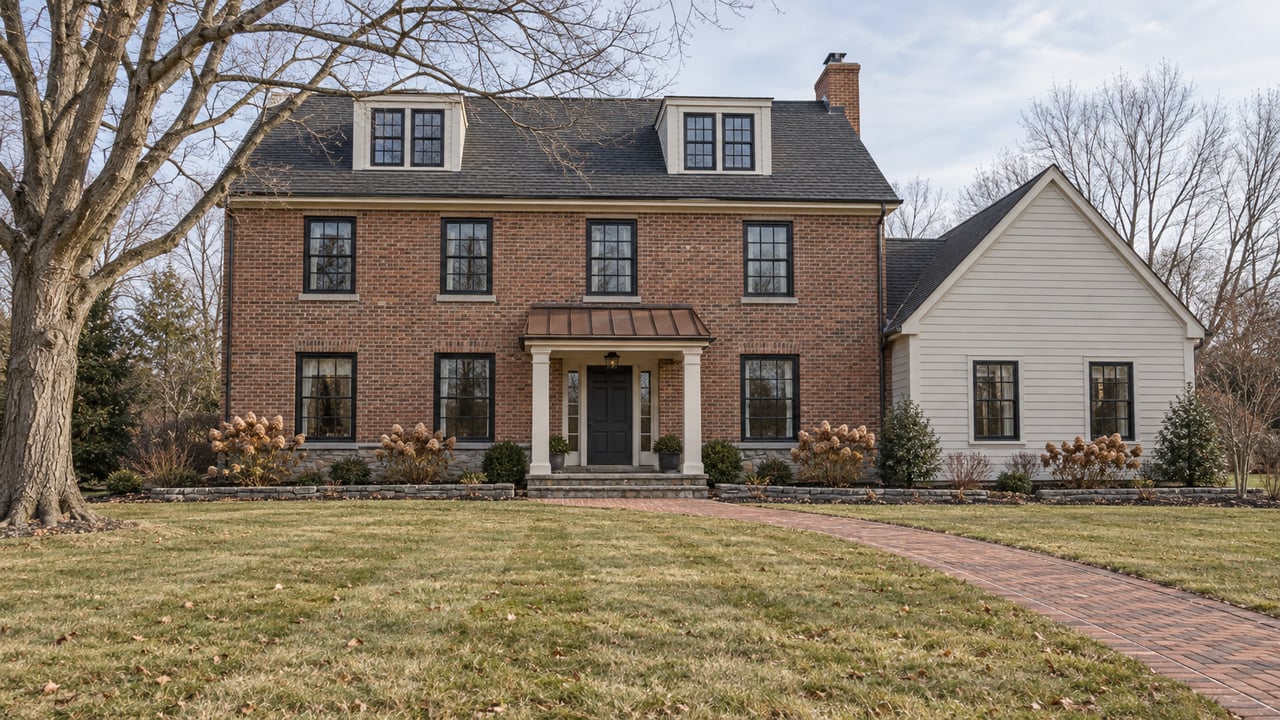
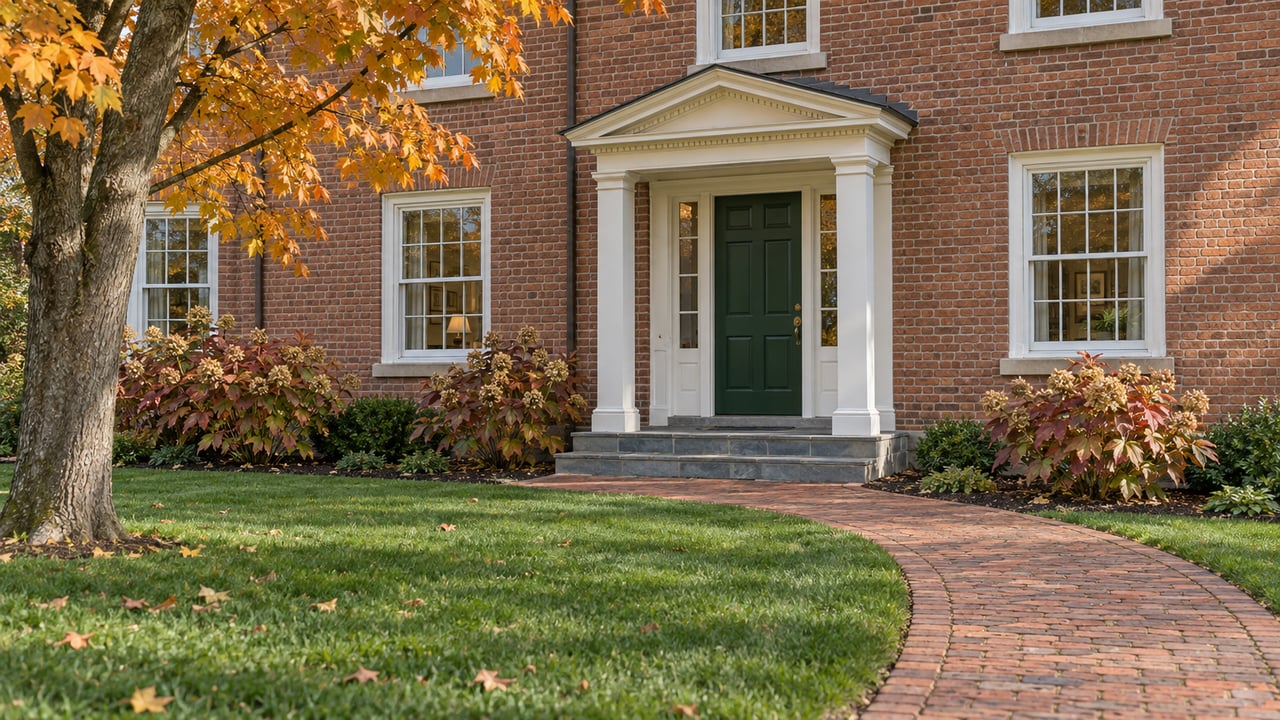
Established resale, mostly single-family. This is the segment behind the multiple-offer activity on homes priced under $1.2 million. Neighborhoods like Dutch Neck and Berrien City, built out decades ago, don't add new supply. When a well-kept colonial or split-level comes up here, it still moves fast, because nothing else like it is coming.
New construction and income-restricted units. This is where the 85-day average gets pulled longer. New communities take time to sell through, buyers comparing a Toll Brothers quick move-in against a resale house often extend their search timeline to see finished models, and the affordable units at Townes at West Windsor move through a waitlist and lottery process rather than a standard listing cycle. None of that resembles the fast turnover of the resale segment, and it drags the townshipwide average toward a slower number even while the resale side stays brisk.
Station-adjacent redevelopment. Princeton Junction, the in-town Northeast Corridor stop with direct service toward New York Penn Station, has become its own micro-market. Pulte's sold-out Link at W² proved there's real demand for new construction within walking distance of the platform, and the follow-on project now in approval is a bet that demand hasn't gone anywhere. Buyers prioritizing rail access are shopping a narrower, newer, and generally pricier slice of the township than buyers focused on school-district boundaries or lot size.
A single median price flattens all three of these into one number. It's a useful shorthand for a portal listing page. It's a poor guide for an actual buying decision.
Why Rates Make the Timing Question Sharper
Layer the rate environment on top of this and the picture sharpens further. Freddie Mac's weekly survey put the 30-year fixed rate at 6.95% as of September 17, 2026, up from 6.76% the week before and well above the 6.26% average recorded at the same point a year earlier. That's a meaningful jump in a short window, driven by rising Treasury yields.
Builders feel that pressure directly, which is why buydown incentives have become a standard part of the new-construction pitch in this corridor this year. It's part of the reason a buyer weighing a new Toll Brothers townhome against an older resale house should run both scenarios through an actual payment calculation rather than comparing sticker prices alone. The math changes more with a builder incentive in play than a list price difference of a few thousand dollars ever will.
What This Means If You're Comparing West Windsor to Other Towns
If you're cross-shopping West Windsor against Princeton, Montgomery, or Lawrence, the honest comparison isn't median to median. It's segment to segment. Ask which of West Windsor's three markets you're actually shopping in; resale single-family, new construction, or station-adjacent, because each behaves differently on price, pace, and negotiating leverage right now. A number that looks soft in the townshipwide average can hide a segment where you'll still be competing against three other offers.
A Couple of Questions Worth Asking Before You Tour
Does the affordable housing pipeline affect resale home values? The Fourth Round plan adds new supply concentrated in specific rezoned sites rather than spread evenly across the township, so its effect on any individual resale block depends heavily on proximity. It's a fair question to raise directly with a listing agent for a specific address.
Should I wait for the new construction to open before buying? That depends on which segment fits your priorities. If you want a specific established neighborhood with mature trees and no new construction planned nearby, waiting buys you nothing. If you're open to a newer home and want to compare a builder's finished pricing and incentives against resale, it's worth timing your search around specific community opening dates.
West Windsor's market right now rewards a buyer who asks which segment they're actually in before they react to a single headline number. If you want a read on how a specific West Windsor block or a specific new community stacks up against what else is on the market this fall, Randy & Geniene — Premier Properties can walk through the comparison with you. Start with a look at current West Windsor listings and neighborhood detail, run your numbers on the mortgage calculator, or reach out directly to schedule your complimentary home consultation.
This article is general information, not legal, tax or financial advice. Consult a qualified professional about your situation.