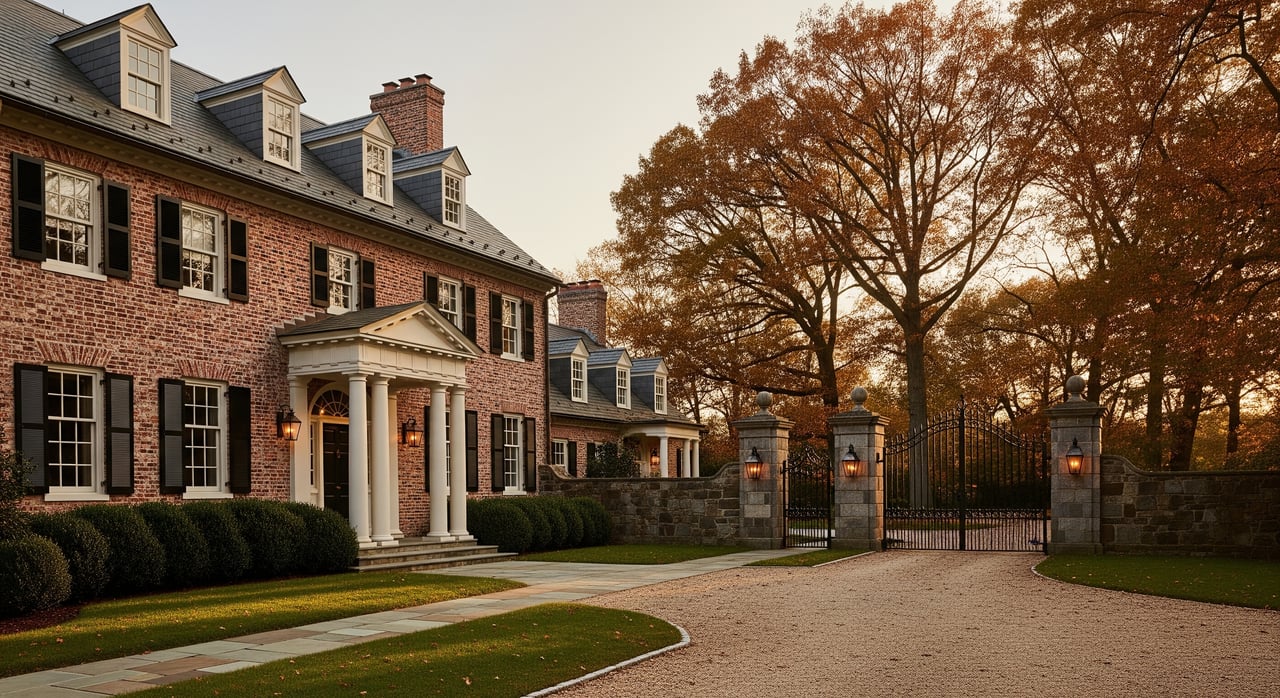
Thinking about Princeton Township but not sure what day-to-day life feels like? You might picture tree-lined streets, a vibrant university heartbeat, and easy access to big-city opportunities. If you are exploring a move, you need clear details on homes, commutes, schools, healthcare, and weekend plans. This guide gives you a real sense of life in Princeton so you can decide with confidence. Let’s dive in.
Where Princeton Township fits today
Princeton Township and Princeton Borough consolidated in 2013 and are now a single municipality simply known as Princeton. The town has roughly 30,000 residents, with a much larger daytime population thanks to the university, healthcare, and nearby office parks. You sit in central New Jersey, about halfway between New York City and Philadelphia, which shapes commuting options, shopping patterns, and cultural access.
Princeton’s economy is anchored by higher education and research, healthcare, and professional services. That mix supports a steady housing market, diverse dining, and a full calendar of arts and public events.
Housing and neighborhoods at a glance
Historic downtown and campus-adjacent
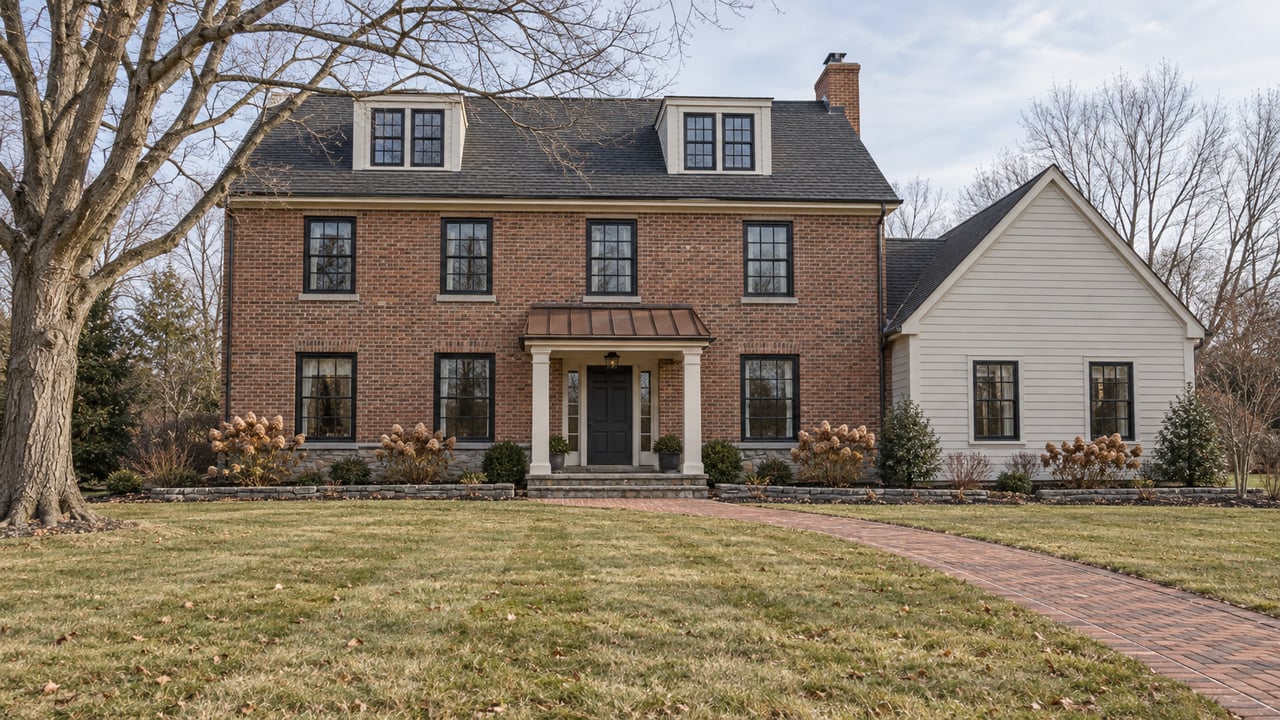
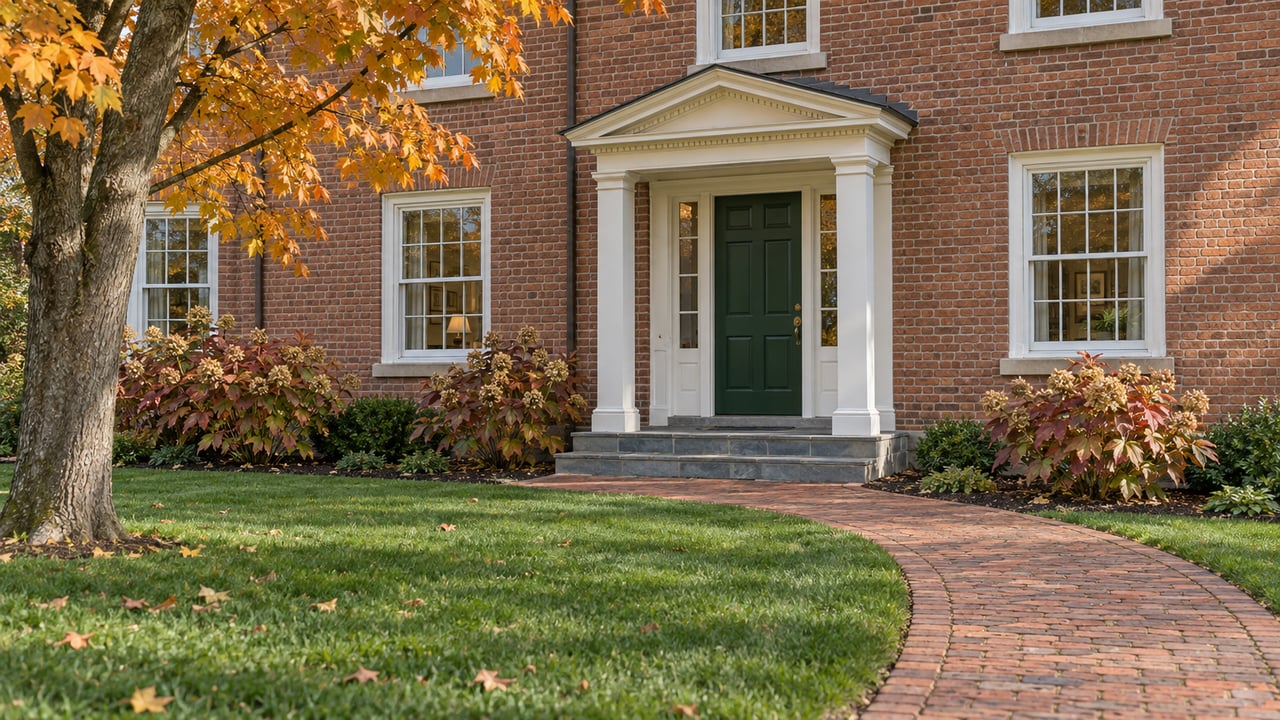
Close to Nassau Street and Princeton University, you find older homes with classic character. Architectural styles include Colonial, Federal and Victorian-era houses, brick row or semidetached homes, and historic townhouses. Many properties here fall within local historic districts, so exterior changes can require review and approval. Walkability is a key benefit, with shops, cafés, and cultural venues nearby.
Commuter-friendly corridors
Along the Route 1 corridor and near Princeton Junction, you see more condos, townhomes, and apartment communities. These areas appeal if you want newer construction, lower-maintenance living, and straightforward access to rail and highways. Mixed-use developments add everyday conveniences within a short drive.
Suburban neighborhood pockets
Across Princeton’s residential streets, you will find detached single-family homes on a range of lot sizes. Styles include postwar ranches, 1970s to 1990s colonials, Cape Cods, Tudor revival, and occasional mid-century modern pockets. Many neighborhoods offer proximity to parks and schools, with quieter streets and usable yards.
Rural and estate settings
On the edges of town, larger-lot and estate-style properties offer more privacy. Living here is more car dependent, but you gain space and a peaceful setting. These areas can be appealing if you value acreage or long-term plans for a home base.
Market feel and price context
Princeton’s market is competitive relative to many nearby towns. Inventory can be limited in the historic core, while the commuter corridors and newer subdivisions typically offer more options. Prices are generally higher than county and national averages, and they vary widely by neighborhood, age of home, and proximity to downtown.
Taxes, age of homes, and maintenance
New Jersey property taxes are generally high compared with national averages, so include annual taxes in your affordability plan. Older homes are common in Princeton and may require updates to systems, insulation, or wiring. If you are considering a historic property, check preservation guidelines early so your plans align with local rules.
Everyday life: schools, services, and healthcare
Princeton Public Schools serves the municipality from K to 12. Families often review the district’s current performance data and verify school-zone boundaries before making an offer. You also have several private or independent options in and near town, and early childhood programs may have waitlists during peak periods.
Healthcare access is strong. Penn Medicine Princeton Medical Center serves the region, and you will find many outpatient specialists and urgent care options in town and along Route 1. Routine services such as banking, postal, and professional offices are available downtown and across major corridors.
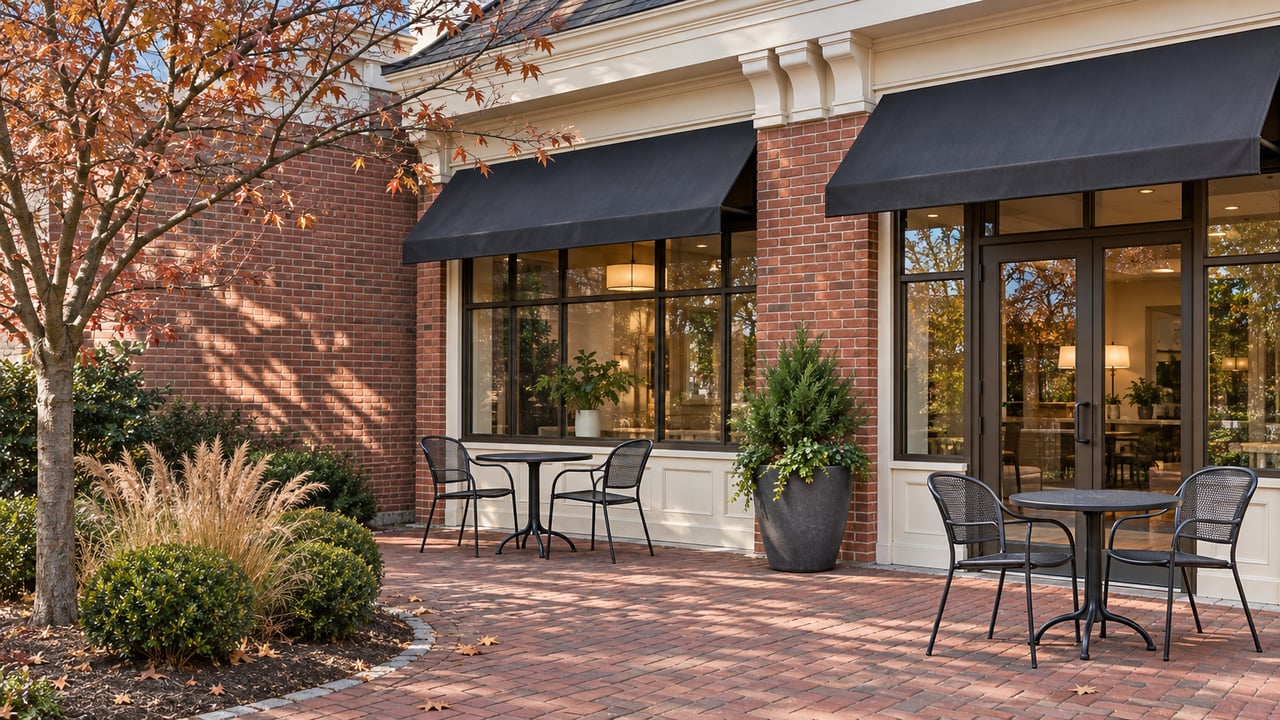
For groceries and shopping, Palmer Square, Witherspoon Street, and Nassau Street offer walkable specialty shops, boutiques, and food retailers. Larger grocery stores and big-box retail cluster along Route 1 and in adjacent towns. Seasonal farmers markets add fresh produce and a local community feel.
Getting around and commuting
Princeton Junction is your primary rail hub, with NJ Transit service to Newark and New York Penn Station, and Amtrak on the Northeast Corridor. The local “Dinky” shuttle rail links downtown Princeton to Princeton Junction, a distinctive short line that has been part of town life for generations. If you commute by car, Route 1, Route 206, I-295, and the New Jersey Turnpike are your main routes.
Typical regional travel times vary by time of day. New York City is about 1 to 1.5 hours by train or car depending on your endpoint. Philadelphia is about 1 to 1.25 hours by car, with variability based on traffic. Many residents use Newark Liberty International as their primary airport, with Philadelphia International also in the mix.
Downtown Princeton is highly walkable, and many nearby neighborhoods share that benefit. Biking is common for recreation and local trips, especially on the Delaware and Raritan Canal towpath and connecting greenways. Parking downtown includes metered streets and municipal lots or garages, while Princeton Junction offers daily and permit commuter parking that fills quickly during peak hours.
Arts, culture, parks, and events
Princeton University enriches the town with museums, public lectures, concerts, and athletic events. The Princeton University Art Museum, McCarter Theatre Center, and Richardson Auditorium provide a steady lineup of exhibitions and performances. Morven Museum and Garden adds history and rotating programs to the cultural calendar.
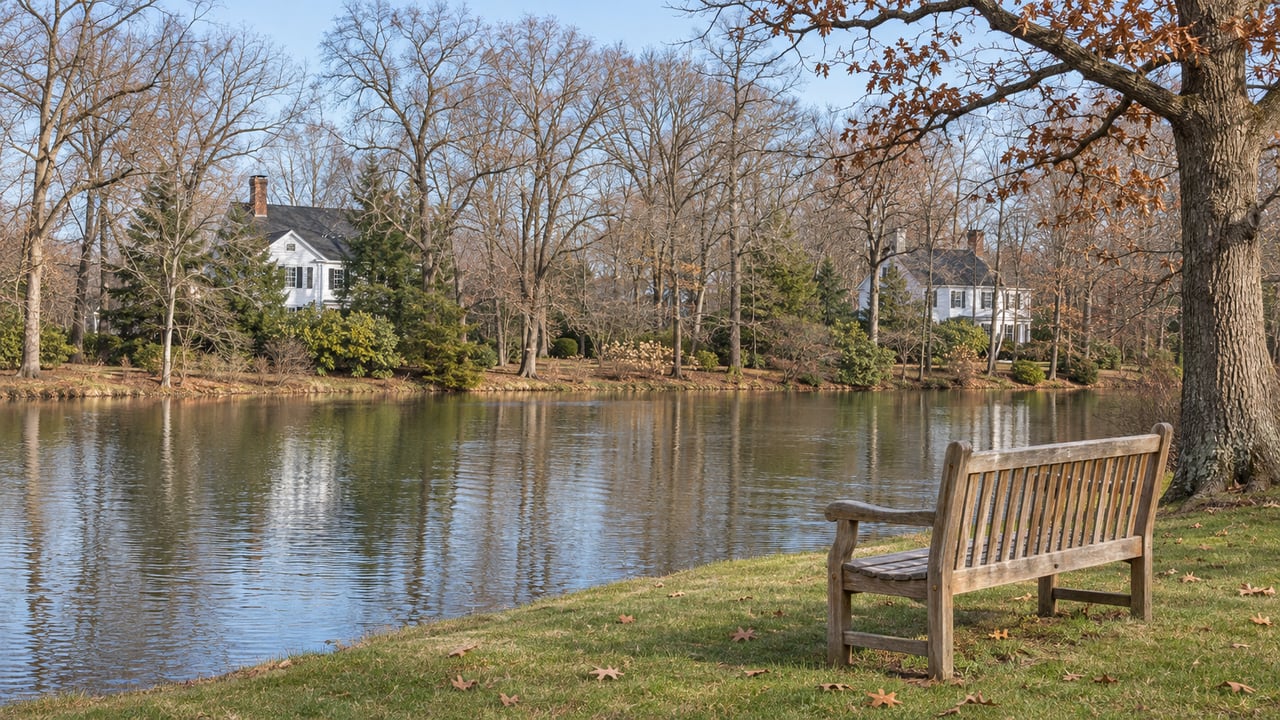
Outdoor recreation is easy to access. You can run, bike, or walk along the D and R Canal towpath, explore open space at Princeton Battlefield State Park, and enjoy the water views around Carnegie Lake. Nearby Mercer County Park adds athletic fields, trails, and lakes. Municipal recreation programs cover youth sports, adult leagues, and seasonal classes that help new residents plug in.
Common questions buyers ask
- Is Princeton walkable? The downtown and campus core are very walkable, with many daily needs close by. Walkability varies in suburban and rural pockets, where you may rely more on a car.
- How are the schools? Princeton Public Schools are well-regarded by many families. Verify current performance data and boundary maps through official district and state resources.
- What is the commute like? Rail from Princeton Junction offers consistent service to New York City on the Northeast Corridor, and drive times vary by hour and destination. Test the commute during your typical schedule.
- What about taxes and total cost of ownership? New Jersey property taxes are generally higher than the U.S. average. Budget for taxes, utilities, insurance, and any historic or older-home maintenance.
- Are there restrictions on older homes? Properties in historic districts often require design review for exterior changes. Confirm zoning and preservation rules before planning renovations.
- Is inventory limited? In the historic core and popular neighborhoods, inventory can be tight and competitive. You may find more selection in newer developments or along commuter corridors.
A quick buyer checklist
- Verify public school boundaries and review current district reports.
- Check historic district rules if you are considering a downtown or older home.
- Confirm the property’s tax history with county records.
- Test your commute during peak times and review train schedules.
- Ask about flood zone status and get a survey and relevant disclosures.
- Budget for higher local taxes and possible maintenance on older systems.
Is Princeton a fit for you?
If you want small-town texture, a strong cultural scene, and credible commuting options, Princeton is worth a close look. You can choose from historic homes near Nassau Street, newer townhomes close to transit, or larger-lot properties on the edge of town. The tradeoffs are clear. You gain lifestyle and access, and you should plan for higher taxes and a competitive market in the most sought-after areas.
Ready to tour neighborhoods, compare options, and refine a plan that fits your life and budget? Reach out to Geniene Polukord for local guidance and a clear next step.
FAQs
What is Princeton Township called today?
- Princeton Township and Princeton Borough consolidated in 2013 and are now a single municipality called Princeton.
How many people live in Princeton, NJ?
- Princeton has roughly 30,000 residents, with a larger daytime population due to the university, healthcare, and office parks.
What are typical commutes from Princeton to NYC or Philadelphia?
- New York City is about 1 to 1.5 hours by train or car depending on timing, and Philadelphia is about 1 to 1.25 hours by car, subject to traffic.
What healthcare options serve Princeton residents?
- Penn Medicine Princeton Medical Center serves the region along with numerous local outpatient specialists and urgent care centers.
Are property taxes high in Princeton, NJ?
- New Jersey property taxes are generally higher than the U.S. average, so factor annual taxes into your budget.
Does Princeton have walkable neighborhoods?
- Yes. Downtown and campus-adjacent areas are highly walkable, while suburban and rural areas are more car dependent.