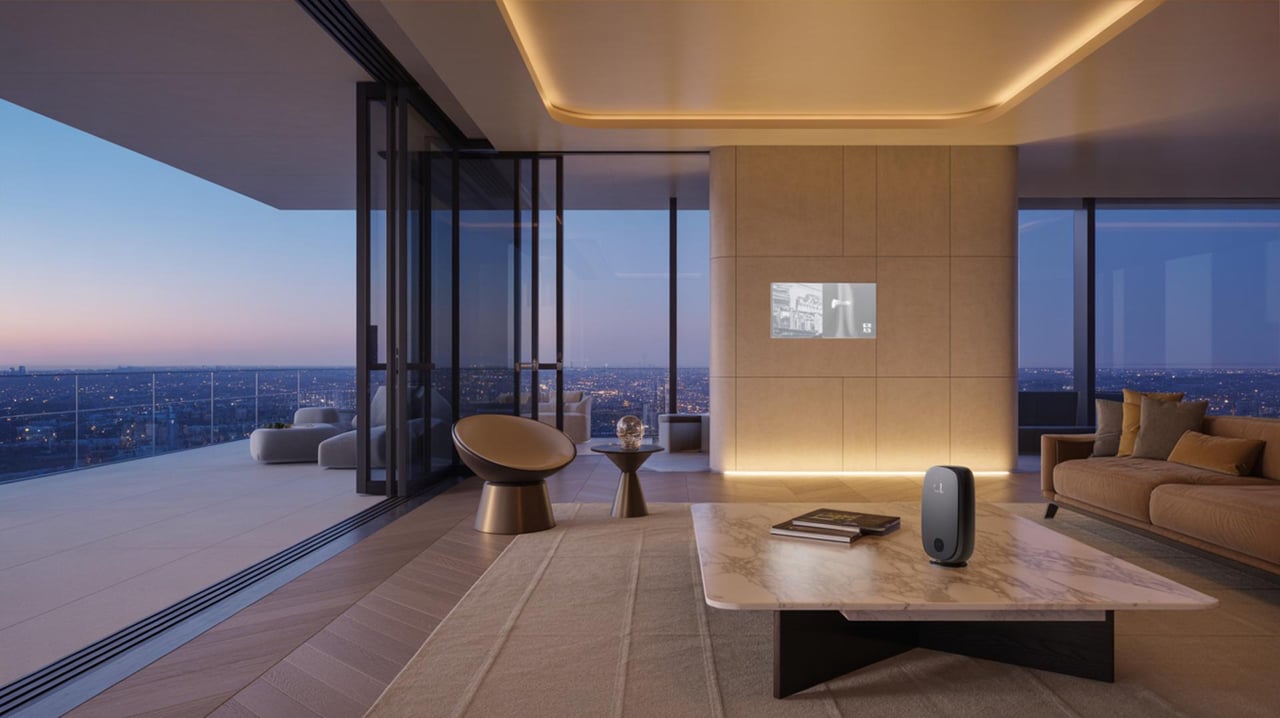
In the ever-evolving landscape of home technology, modern homeowners are increasingly embracing smart home innovations to enhance convenience, security, and energy efficiency. These technological advancements are not only transforming how we interact with our living spaces but are also adding significant value to properties. As more homeowners integrate smart devices into their daily routines, understanding the latest trends in smart home technology becomes essential.
Voice-Activated Assistants
Voice-activated assistants have become a staple in modern homes, offering hands-free control over various smart devices. These assistants, such as Amazon Alexa and Google Assistant, allow homeowners to perform tasks like adjusting the thermostat, playing music, or controlling lighting with simple voice commands. The integration of voice-activated technology into smart home systems provides an intuitive and accessible way to manage household functions, making daily life more convenient and efficient.
Smart Lighting Solutions
Smart lighting systems are revolutionizing the way homeowners illuminate their spaces. These systems offer customizable lighting options that can be controlled remotely via smartphone apps or automated schedules. Homeowners can adjust the brightness, color, and timing of their lights to suit different moods or activities. Additionally, smart lighting can contribute to energy savings by ensuring lights are only on when needed, reducing electricity consumption and lowering utility bills.
Advanced Security Systems
Modern homeowners are prioritizing security with the integration of advanced smart security systems. These systems include features such as video doorbells, smart locks, and surveillance cameras that can be monitored remotely. With real-time alerts and live video feeds accessible from anywhere, homeowners can keep an eye on their property and ensure their family's safety. The ability to control and monitor security systems through a smartphone provides peace of mind and enhances overall home security.
Energy Management Tools
Energy management tools are gaining popularity among homeowners looking to reduce their carbon footprint and save on energy costs. Smart thermostats, for example, learn homeowners' schedules and preferences to optimize heating and cooling, leading to significant energy savings. Additionally, energy monitoring devices provide insights into energy usage patterns, allowing homeowners to make informed decisions about their consumption and identify areas for improvement.
Smart Appliances
The rise of smart appliances is transforming kitchens and laundry rooms into high-tech hubs. These appliances, such as refrigerators, ovens, and washing machines, offer features like remote monitoring, voice control, and energy-efficient operation. For instance, smart refrigerators can notify homeowners when groceries are running low, while smart ovens can be preheated remotely. These innovations streamline household tasks and enhance the overall efficiency of home management.
Home Automation Hubs
Home automation hubs serve as the central command center for smart home devices, allowing homeowners to control multiple systems from a single interface. These hubs integrate various smart technologies, enabling seamless communication between devices. With a home automation hub, homeowners can create customized routines, such as turning off lights and locking doors with a single command, simplifying the management of their smart home ecosystem.
Health and Wellness Technology
Smart home technology is also making strides in the realm of health and wellness. Devices such as air quality monitors, smart beds, and connected fitness equipment are designed to promote healthier living environments. Air quality monitors track pollutants and allergens, providing insights to improve indoor air quality. Smart beds offer personalized sleep tracking and adjustments, while connected fitness equipment brings the gym experience into the home, encouraging a more active lifestyle.
Smart Entertainment Systems
Entertainment systems are becoming more sophisticated with the integration of smart technology. Homeowners can now enjoy personalized entertainment experiences with smart TVs, streaming devices, and wireless speakers. These systems offer seamless connectivity and control, allowing users to access their favorite content with ease. The ability to create immersive home theater experiences is a significant draw for those looking to enhance their leisure time at home.
Integration with Renewable Energy Sources
As sustainability becomes a priority for many homeowners, integrating smart home technology with renewable energy sources is gaining traction. Solar panels, for example, can be connected to smart home systems to optimize energy usage and storage. Homeowners can monitor their energy production and consumption in real-time, making adjustments to maximize efficiency. This integration not only reduces reliance on traditional energy sources but also contributes to a more sustainable lifestyle.
Personalized Home Experiences
The future of smart home technology lies in personalization. Homeowners are increasingly seeking tailored experiences that cater to their unique preferences and needs. Smart home systems are evolving to offer more customization options, from personalized lighting and temperature settings to curated entertainment and wellness routines. This trend towards personalization ensures that smart home technology enhances the quality of life by creating environments that align with individual lifestyles.
Embrace the Future of Smart Living
As technology continues to evolve, integrating smart home tech can significantly enhance your living experience, making your home more efficient and secure. Staying updated with the latest trends ensures you get the most out of your investment. If you're ready to explore these exciting possibilities and transform your home, reach out to Geniene Polukord for expert advice and guidance tailored to your needs.