Thinking about listing your Hopewell home but unsure what to fix first? You are not alone. The right small updates can help your home look move-in ready, attract more buyers, and support a stronger offer without overspending. In this guide, you will learn which projects pay off in our area, what to skip, and how to time everything so you hit the market with confidence. Let’s dive in.
What Hopewell buyers expect
Hopewell-area buyers often include commuters and households who value small-town character, larger lots, and well-kept older homes with updated kitchens and baths. Many expect solid maintenance and reliable systems. Before you spend, consider how hot the market is. In a fast seller’s market, light cosmetic updates and strong staging can be enough. In a balanced or slower market, buyers tend to look closer at condition, so functional fixes and clear documentation matter more.
High-impact interior fixes
Paint and repairs
Fresh, neutral paint is one of the best returns on a tight budget. Choose warm whites, soft grays, or greige in main rooms and the primary bedroom, with a crisp white for trim and ceilings. Patch nail pops and scuffs before you paint so the finish looks smooth. A typical interior refresh can take 2 to 7 days depending on size and whether you hire a pro.
Lighting that sells
Swap dated fixtures for simple, contemporary options and use warm LED bulbs in the 2700–3000K range. Add missing closet or under-cabinet lighting and replace yellowed diffusers. Better lighting makes rooms feel larger and photographs cleaner. Many fixture changes can be done in a day, with an electrician for any new wiring.
Hardware and finishes
Coordinated door levers, cabinet pulls, and fresh switch plates signal care without a big spend. Brushed nickel, matte black, or satin brass can all work if they match your home’s style. Re-caulk tubs and sinks and refresh stained grout. Most homeowners can DIY these updates in one to three days.
Floors buyers notice
Floors show wear quickly in photos and tours. Start with a deep clean and re-stretch or replace worn carpet in key areas. Spot-repair hardwood scratches when possible and consider a strategic refinish only if it prevents a large concession later. These jobs range from one day for cleaning to a week or more for larger refinishing.
Kitchens: targeted updates
Buyers prioritize kitchens, but you do not need a full remodel to make an impact. Clear counters, deep-clean appliances, and replace a tired faucet. New cabinet hardware and a fresh coat of paint or refinished doors can modernize the space on a budget. If a counter is badly worn and a low-cost replacement is feasible, consider it, especially on an island or focal run. Timelines range from one day for light swaps to up to two weeks for cabinet painting.
Bathrooms: quick refreshes
Small changes add up fast. Re-caulk, address stained grout, swap dated lights and mirrors, and consider a new vanity top or faucet if wear is obvious. New toilet seats and a clean, bright shower enclosure help the whole room feel ready for move-in. Most bath refreshes fit in a one- to seven-day window.
Curb appeal and exterior
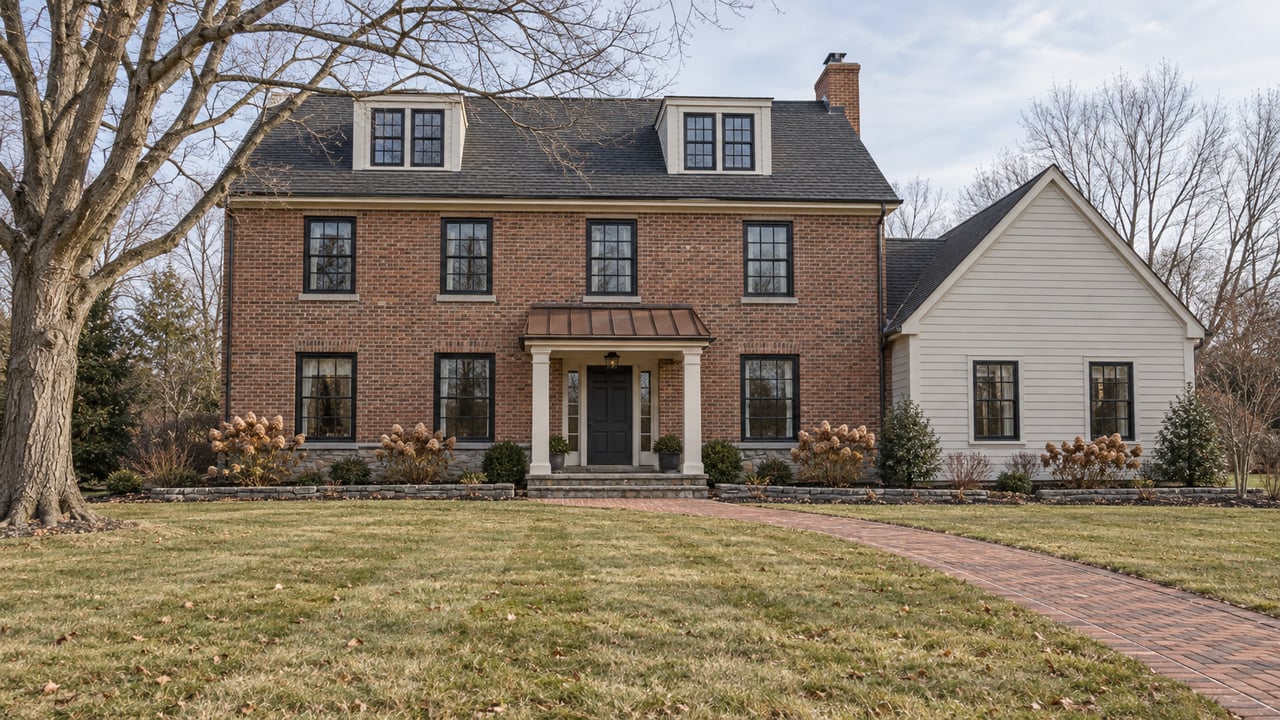
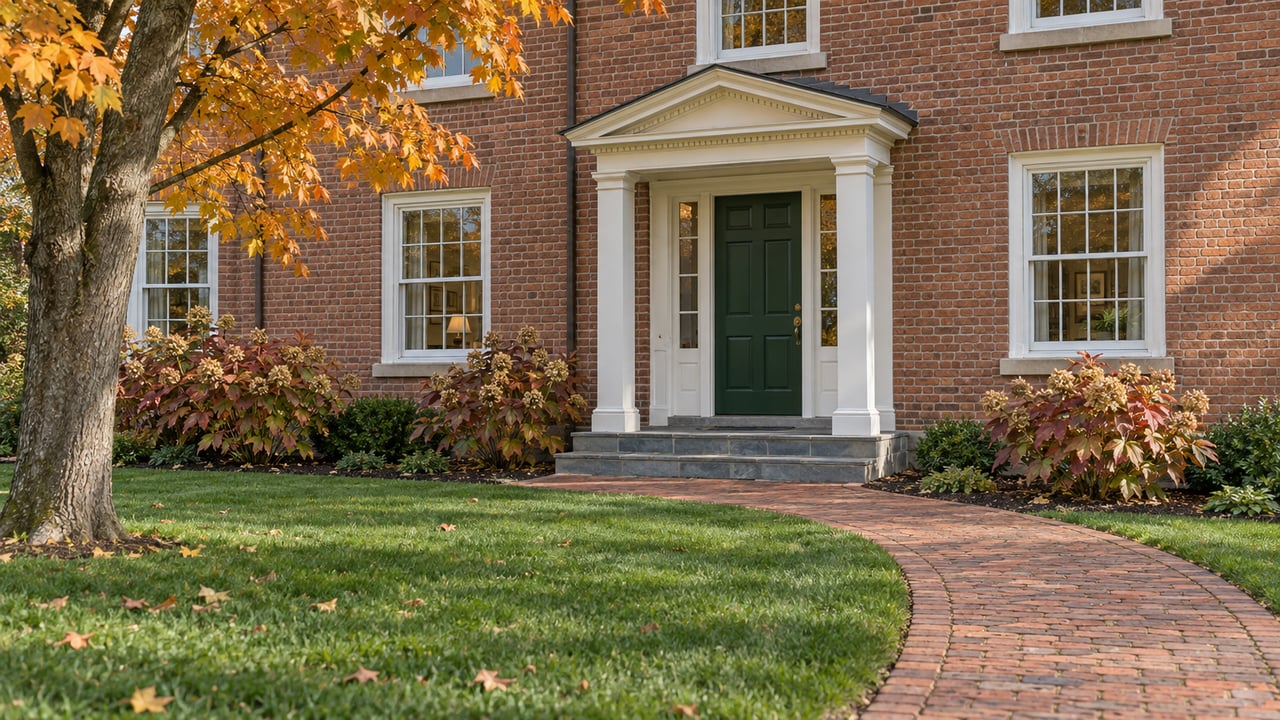
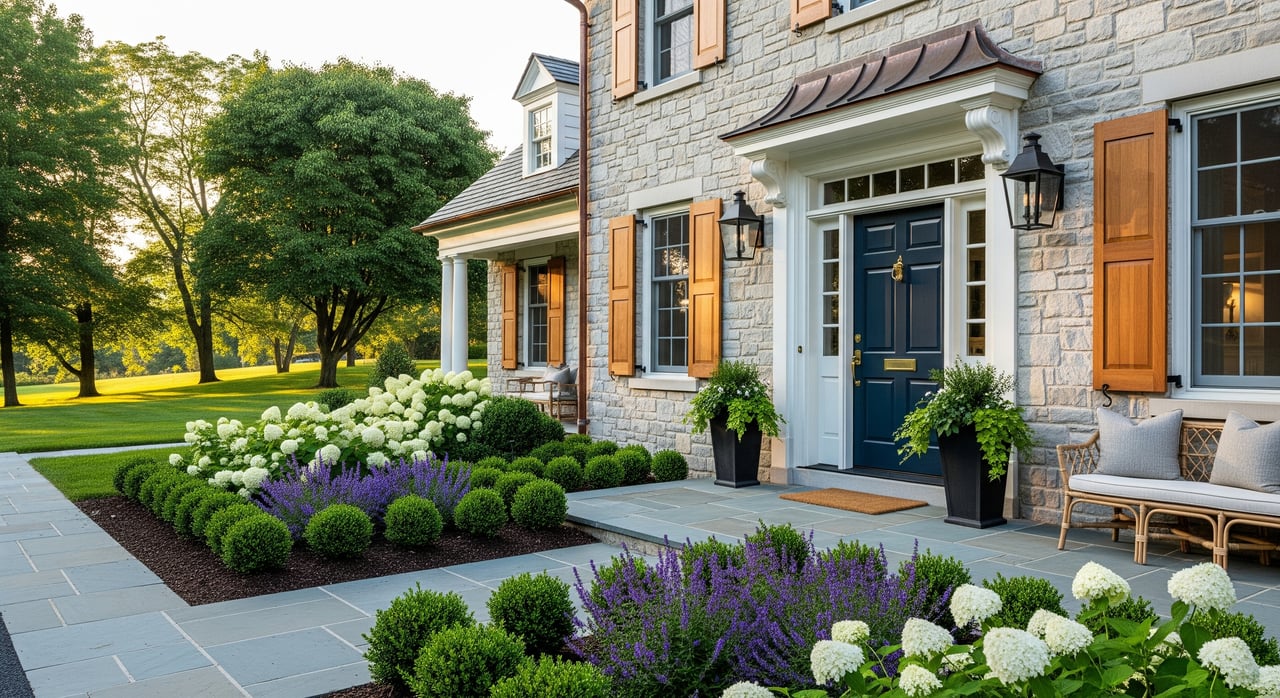
First impressions set the tone for your showings. Power-wash siding, walks, and the driveway. Touch up trim, repair loose gutters, and repaint or replace the front door if it looks tired. Modern house numbers, a clean mailbox, trimmed hedges, edged walkways, and a few potted plants add polish. Plan landscaping close to listing so it looks fresh in photos.
Staging, clutter, and odors
Staging helps buyers imagine their life in your home. Remove excess furniture, thin out personal items, and tidy closets to showcase storage. Address odors from pets or smoke with deep cleaning, carpet shampooing, HVAC filter changes, and vent cleaning. For higher-end listings, consider professional staging or temporary rental pieces to complete the look.
Systems and pre-list checks
Buyers are risk-averse about hidden issues. Service the HVAC and change filters, address obvious plumbing leaks, and make sure electrical systems appear safe and tidy. Keep service receipts ready to share. In slower markets or with older systems, a pre-list inspection can help you find issues early and prevent surprises during negotiations.
When to skip and price smart
Not every project pays off before listing. Consider skipping or scaling back when:
- The cost to fix exceeds the likely price lift compared to local comps.
- Cosmetic flaws are minor and demand is strong. Staging and pricing can carry the day.
- The issue is major or structural. You may be better off addressing the safety item or offering a credit instead of a partial cosmetic fix.
Budget, timing, contractors
Set a realistic budget
Gather at least three written estimates for any job over a few hundred dollars. Build in a 10 to 20 percent contingency for surprises that pop up once work starts. Compare your total spend to the price differences you see between updated and as-is comps so you invest wisely.
Vet and schedule pros
For licensed trades like plumbing and electrical, hire qualified professionals and confirm insurance coverage. Ask for references with recent, similar work and insist on a written scope, timeline, payment plan, and any warranty. For smaller punch-list items, a reputable local handyman can be a good fit.
Sequence for photos
Plan exterior work first so curb appeal shines in your photos. Then do paint, floors, and larger fixtures before you bring in staging. Allow full curing and drying times for paint and caulk. Avoid starting any new project in the 48 to 72 hours before your first showings.
Local checks in Hopewell
Some Hopewell homes sit in historic districts or have architectural review requirements for exterior changes. Confirm with the municipal planning or historic preservation office before replacing siding, windows, or major doors. If your property has an HOA, review guidelines for exterior updates. Rural parts of the area may have septic or well systems, and buyers will want recent documentation or inspection results. Most cosmetic updates do not need permits, but electrical, plumbing, and structural work typically does, so check with the township building and zoning office early to avoid delays.
Your action plan
Use this simple, local-ready checklist to focus your time and money:
- Do first: neutral paint in main rooms, warm LED lighting, declutter and deep clean, power-wash and tidy landscaping, refresh front door and hardware, replace worn switch plates and cabinet pulls.
- Do next: kitchen faucet and hardware, bathroom re-caulk and lighting, mirror updates, spot repairs or professional cleaning for flooring.
- Consider case-by-case: cabinet refacing or painting, targeted countertop swaps, system repairs that reduce buyer risk. Skip full remodels unless local comps clearly support the return.
Ready to list with help?
If you want a clear plan tailored to your Hopewell home, we can walk your property, set priorities, and coordinate trusted pros so you launch with confidence. We also offer staging guidance and a concierge-style prep approach to streamline the process from punch list to pro photos. Reach out to schedule your visit with Geniene Polukord and get your custom pre-list plan.
FAQs
What pre-list updates pay off most in Hopewell?
- Fresh neutral paint, updated lighting, curb appeal touch-ups, decluttering, and small hardware swaps typically deliver strong impact for low cost.
Should I renovate my kitchen before selling in Hopewell?
- Full remodels rarely pay off right before listing; focus on targeted updates like hardware, faucet, paint or refacing, and deep cleaning.
Do I need permits for pre-list work in Hopewell?
- Cosmetic updates usually do not, but electrical, plumbing, and structural changes often do; confirm with the township building and zoning office.
How should I handle older HVAC or roof systems?
- Service them, keep receipts, and address obvious issues; in slower markets, consider a pre-list inspection or offer credits if replacement is likely.
What about historic district rules in Hopewell?
- Some areas require approvals for exterior changes; check with the municipal planning or historic preservation office before altering windows, doors, or siding.
How long should I plan for pre-list improvements?
- Quick cosmetic projects often take 1 to 14 days; larger refreshes can take several weeks, and major renovations are usually not advised right before listing.