Thinking about renting out your Cranbury property? In a small market with high home values, limited inventory, and a wide spread in published rent estimates, it is easy to either overprice, underprepare, or miss an important compliance step. If you want to protect your property, attract qualified tenants, and make a sound financial decision, you need a clear plan. Here is what to do before you list, how to price realistically, and what to keep in mind as a local owner. Let’s dive in.
Start With Compliance First
Before you advertise a rental in Cranbury, make sure you have the local and state requirements lined up. This matters whether you are renting out a longtime home, testing the market before selling, or becoming a landlord for the first time.
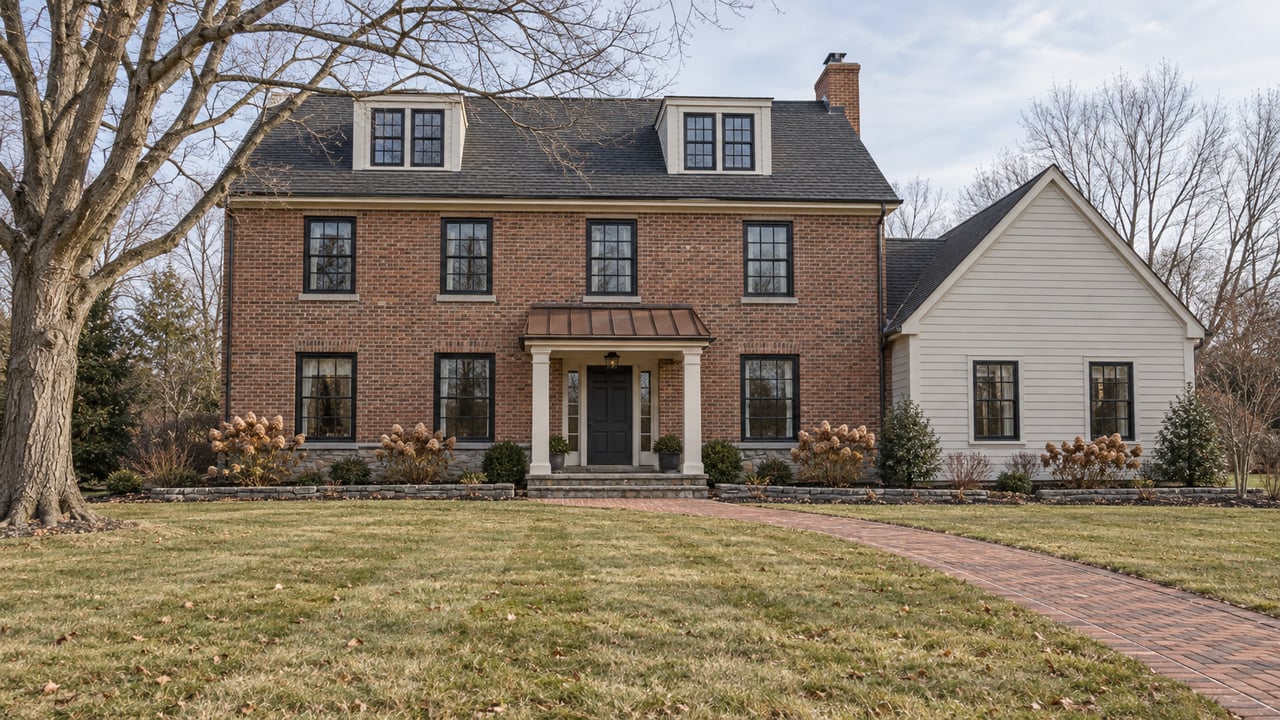
Cranbury’s housing stock is relatively small, with just 1,447 units, and the township’s draft 2025 housing plan shows that 62.6 percent of homes have four or more bedrooms. That profile suggests many local owners are renting out larger homes rather than units in a large apartment market. Because of that, getting the property fully ready before listing can save time and reduce stress.
Fire Safety Certificate
According to the Cranbury Fire Safety Bureau, before any one- or two-family or attached structure is sold, leased, or otherwise changes occupancy for residential use, the owner must obtain a Certificate of Smoke Alarm, Carbon Monoxide Alarm and Portable Fire Extinguisher Compliance Certificate.
The bureau also notes that it operates on a part-time basis. That means you should schedule your inspection early, especially if you are trying to line up a lease start date.
Insurance Registry Requirement
Cranbury also requires rental-unit owners to carry liability insurance and file proof annually. Under Ordinance 02-23-03, owners of rental units must carry at least $500,000 in liability insurance.
For owner-occupied multifamily dwellings with four or fewer units and one owner-occupied unit, the minimum is $300,000. Owners must file a certificate of insurance each year and pay a $20 administrative fee. Noncompliance can lead to fines ranging from $500 to $5,000.
Lead Safety Rules
If your property falls under New Jersey’s lead-based paint rental requirements, you may need a lead inspection every three years or at tenant turnover if there is no valid lead-safe certificate. The New Jersey Department of Community Affairs explains that lead-safe certificates are valid for two years.
If the home was built before 1978, federal lead disclosure rules also apply. Before lease signing, landlords must provide the EPA lead pamphlet and the required disclosure form.
Fair Housing and Advertising Rules
Rental advertising must be objective and inclusive. Under federal fair housing law and New Jersey’s broader protections, you cannot express preferences or exclusions based on protected characteristics, and New Jersey also protects lawful sources of income and lawful rent payment, including Section 8.
The state’s fair housing guidance and housing discrimination poster make clear that advertising is covered. The safest approach is to describe the property itself, state consistent screening criteria, and apply those standards evenly to every applicant.
Prepare the Property for Rental Use
Once compliance is underway, focus on making the home rental-ready. In Cranbury, where many homes are larger single-family properties, presentation can influence both demand and rent.
A practical rental setup should highlight clean and safe access, well-maintained systems, available parking, useful storage, and tidy exterior spaces. These are not legal requirements in the township plan, but they are sensible priorities based on Cranbury’s housing profile and the type of homes owners are most likely to rent out.
Focus on Safety and Function
Before marketing the home, walk through it as if you were seeing it for the first time. Make sure smoke and carbon monoxide devices are installed where required, mechanical systems are functioning properly, and doors, locks, lighting, and stairways are in good condition.
A clean, well-maintained property usually photographs better, leases faster, and creates a better starting point for the tenancy. It also helps reduce disputes about condition later.
Think Beyond Cosmetics
Fresh paint and landscaping help, but rental readiness is about more than appearance. You should also think about service records, appliance condition, utility setup, and whether anything needs repair before a tenant moves in.
This is especially important because New Jersey’s landlord-tenant rules tie habitability to the rent obligation. The state’s tenant guide makes clear that prompt maintenance and good documentation matter.
Set Rent With Local Comparables
Pricing is one of the hardest parts of renting out property in Cranbury. The market is small, and published rent figures do not all measure the same thing.
The township housing plan reports a 2023 median gross rent of $1,651 in Cranbury, compared with $1,810 across Middlesex County. At the same time, listing platforms show higher current asking-rent snapshots, including about $2,400 on Zillow for all bedroom counts and property types in Cranbury, while Trulia shows different numbers by unit type. These figures are not interchangeable, so using any single number can lead you off track.
Use a Smarter Pricing Method
The safest way to price a Cranbury rental is to start with current comparable listings and then adjust based on:
- Property condition
- Bedroom count
- Bathroom count
- Included utilities
- Parking and storage
- Pet policy
- Lease length
- Overall presentation
This approach is more reliable than relying on a countywide average or an online estimate. In a smaller township, even a few listings can skew the picture.
Run the Numbers Before You Commit
Before deciding to rent instead of sell, test the expected rent against your carrying costs. Cranbury taxes are due on February 1, May 1, August 1, and November 1, with a 10-day grace period, according to the township Tax Collector information.
The state’s 2025 average residential statistics cited there show an average Cranbury tax bill of $11,281, an average assessment of $614,433, and an average sale price of $998,706.07. Add in insurance, maintenance, vacancy risk, and any association fees before deciding that renting is the better move.
Know the Basic Landlord Rules
A good lease process starts before the lease is signed. If you understand the basics around deposits, repairs, and documentation, you can avoid many common problems.
Security Deposit Basics
New Jersey has specific rules for how security deposits must be handled. The state tenant guide says the deposit must be placed in an eligible New Jersey account, and the tenant must receive the required notice about the account and interest treatment.
At the end of the tenancy, the deposit generally must be returned within 30 days, along with an itemized list if any deductions are taken. Clear move-in photos, written condition notes, and documented repairs can help support that process.
Habitability and Repairs
Landlords are expected to maintain habitable conditions. In practical terms, that means you should respond quickly to maintenance issues, keep good records, and avoid letting small repairs turn into larger disputes.
It is also important to know that eviction in New Jersey is issue-specific and court-driven. If a problem comes up, documentation and proper procedures matter.
Market the Property Carefully
In Cranbury, marketing quality can have an outsized impact because the local inventory is limited. A polished presentation and timely follow-up may matter even more here than in a larger rental market.
Keep the Listing Objective
Your marketing should focus on property facts, not on the type of tenant you hope to attract. Describe the home’s layout, condition, included features, parking, storage, lease terms, and other objective details.
Avoid language that suggests a preference for or against any protected class or source of lawful income. Written screening criteria that are applied consistently can help keep the process fair and organized.
Presentation Still Matters
Because Cranbury is a small market with a varied housing mix, strong presentation can help your property stand out. Professional photos, a clear description of what is included in the rent, and quick communication with interested renters can make a real difference.
For many owners, this is where experienced support becomes valuable. If you want help preparing, pricing, and presenting your rental property with care, Geniene Polukord can help you think through the next steps.
Keep Better Records From Day One
If this is your first time renting out a home, do not wait until tax season to organize your files. Separate recordkeeping makes the year much easier.
According to IRS Publication 527, landlords should track rental income, repairs, insurance, depreciation, and other eligible expenses. It is also wise to separate capital improvements from routine repairs and keep records of any mileage or management costs if you handle the property yourself.
A simple system should include:
- Lease documents and renewals
- Move-in and move-out condition photos
- Rent receipts and payment records
- Repair invoices and vendor receipts
- Insurance documents
- Tax bills and utility records
- Inspection reports and compliance certificates
For property-specific legal or tax questions, a landlord-tenant attorney and CPA can help you make the right decisions.
A Practical Order of Operations
If you want a simple roadmap, think about the process in this order:
- Confirm local and state compliance requirements.
- Prepare the property so it is safe, functional, and well presented.
- Set rent using active comparable listings and cost analysis.
- Market with objective, fair-housing-safe language.
- Keep clear records from the start.
That sequence can help you avoid costly mistakes and make better decisions about whether renting out your Cranbury property truly fits your goals.
If you are weighing whether to rent, sell, or make improvements first, working with a local real estate professional can help you look at the property from both a market and ownership standpoint. For tailored guidance, reach out to Geniene Polukord for a thoughtful conversation about your options.
FAQs
What certificate do you need before leasing a home in Cranbury?
- Before a one- or two-family or attached home is leased or changes occupancy for residential use, Cranbury requires a Certificate of Smoke Alarm, Carbon Monoxide Alarm and Portable Fire Extinguisher Compliance Certificate through the Fire Safety Bureau.
How should you set rent for a Cranbury rental property?
- The best approach is to use current local comparable listings and then adjust for condition, bedroom and bath count, utilities, pet policy, lease length, and overall presentation instead of relying on one average rent figure.
What are the basic New Jersey security deposit rules for rental property owners?
- Security deposits must be placed in an eligible New Jersey account, tenants must receive the required notice, and the deposit generally must be returned within 30 days after move-out with an itemized list if deductions are made.
What can you say in a Cranbury rental listing advertisement?
- You should use objective language about the property, lease terms, and included features, while avoiding preferences or exclusions tied to protected classes or lawful sources of income.
What tax records should you keep for a Cranbury rental property?
- You should keep organized records for rent received, repairs, capital improvements, insurance, inspections, tax bills, leases, and any management or mileage expenses related to the rental.