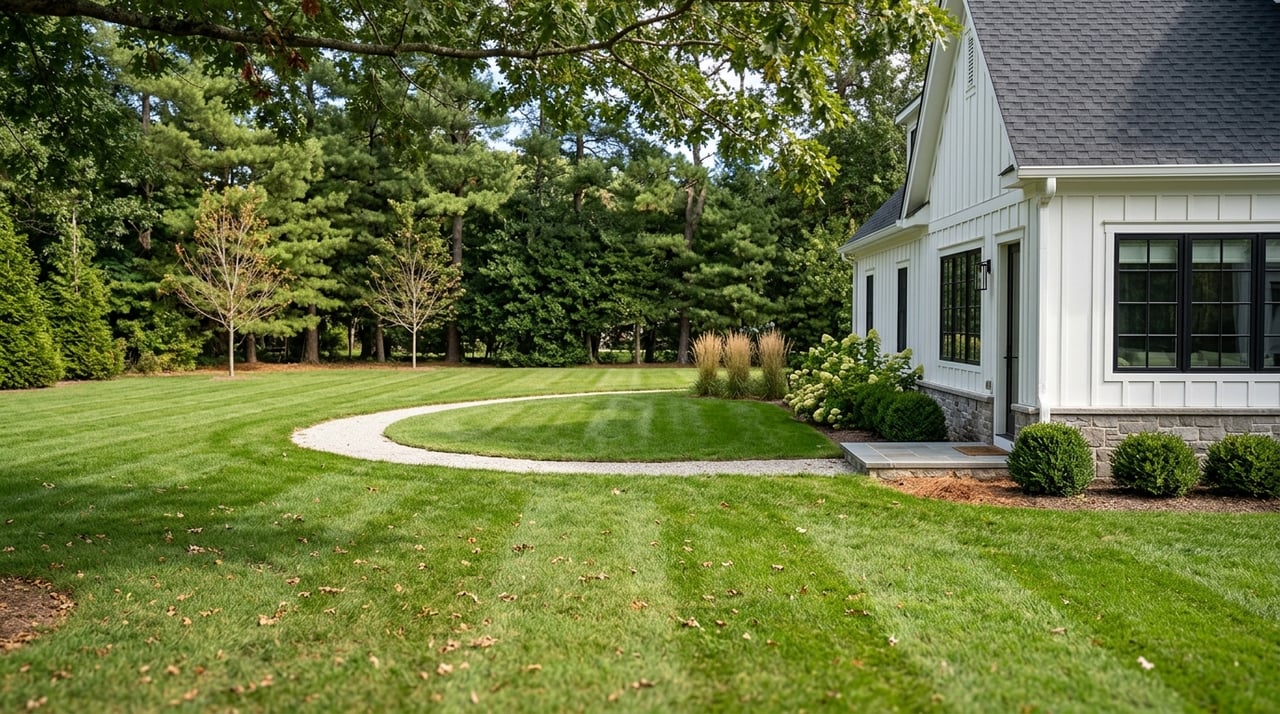
If you want more room to breathe without giving up everyday convenience, Hopewell Township deserves a closer look. This part of Mercer County offers a rare mix of preserved land, outdoor access, and nearby town centers that can make daily life feel calmer and more grounded. Whether you are moving within the Princeton area or relocating for a different pace, understanding Hopewell’s lifestyle can help you decide if it fits what you want next. Let’s dive in.
Why Hopewell Township Feels Different
Hopewell Township covers 58.91 square miles, which helps explain why it feels more open than many nearby suburban markets. According to the township’s Open Space and Recreation Plan, the community has rich ecological, historic, cultural, and scenic diversity that supports a rural character and strong sense of place.
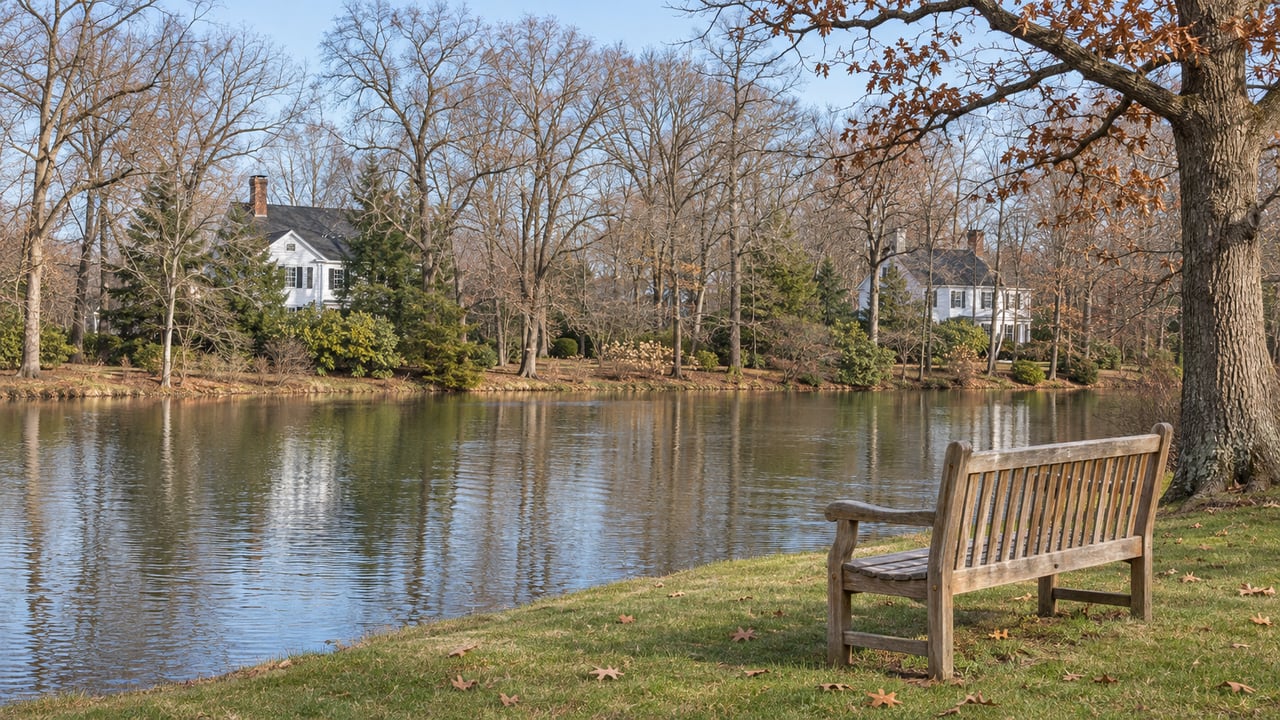
That rural feel is not accidental. The same plan reports that 13,140.18 acres, or 35% of the township, are open space and recreation lands, and that figure rises to 43% when preserved farmland is included. In practical terms, that means a large share of the landscape is intentionally protected, which helps preserve the spacious, green setting many buyers are looking for.
Open Space Shapes Daily Life
In some towns, parks are a bonus. In Hopewell Township, preserved land is part of the core lifestyle.
The township works with state, county, municipal, and nonprofit partners to preserve land and maintain recreation access. That coordinated approach matters because it helps keep trails, natural areas, and active recreation woven into the community over time, not just added as one-off amenities.
If you enjoy being outside, Hopewell gives you a wide range of options close to home. You can find quiet trails, larger preserves, and multi-use recreation areas that support everything from hiking to biking to paddling.
Parks and preserves to know
Woolsey Park is a good example of the township’s neighborhood-scale outdoor appeal. The park spans 167 acres and includes the Woolsey Brook hiking trail, along with space for community recreation, according to the township’s Open Space and Recreation Plan.
Ted Stiles Preserve at Baldpate Mountain offers one of the area’s biggest nature experiences. The township identifies it as Hopewell Township’s largest contiguous forest, with about seven miles of trails and habitat that supports rare species and bird life.
Mercer Meadows adds even more variety. The township notes that it includes an equestrian center, historic farmstead, fishing, boating, playgrounds, picnic areas, a dog park, multiple trails, and natural areas, which makes it useful for many kinds of weekend plans.
Regional trail access nearby
Hopewell’s outdoor appeal also connects to larger recreation networks. In Titusville, Washington Crossing State Park combines Revolutionary War history with hiking, nature trails, mountain biking, horseback riding, cross-country skiing, and picnicking.
The nearby Delaware and Raritan Canal State Park is a 70-mile linear park used for canoeing, jogging, hiking, bicycling, fishing, and horseback riding. The township plan also notes that the canal towpath is part of the National Recreational Trail System, which adds to Hopewell’s strong draw for buyers who value active outdoor living.
Another key connector is the Lawrence Hopewell Trail, a walking, biking, and running loop that links Hopewell to Lawrence and ties into a wider trail network. For many residents, that kind of connectivity adds convenience and flexibility to everyday recreation.
Small-Town Energy Without Feeling Isolated
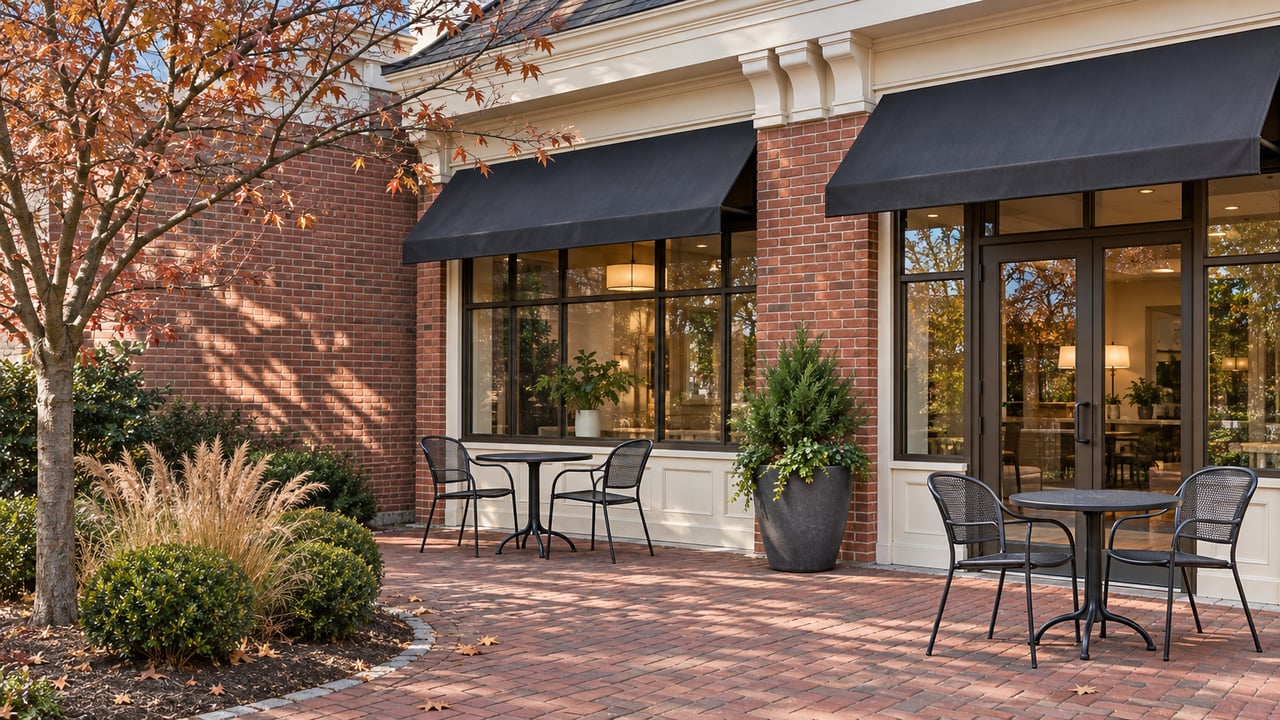
One reason Hopewell Township stands out is that it balances open land with easy access to local businesses and nearby downtowns. You can have a quieter residential setting while still being close to restaurants, shops, and community events.
Hopewell Township’s own communications highlight an active local dining and business scene. Its Restaurant Week announcement describes the area as home to an impressive mix of restaurants, and the township’s business messaging encourages residents to shop local.
Nearby boroughs help round out that small-town experience. Hopewell Borough brings classic main-street character, with community events that spotlight Broad Street restaurants and shops.
Pennington Borough offers another nearby commercial hub. The borough’s Economic Development Commission page describes Pennington as home to many restaurants, charming shops, and personal-service businesses, while also serving as a source of shopping, dining, and services for the greater Hopewell Valley.
Getting Around Hopewell Township
Hopewell Township is better described as road-connected than rail-centered. For many buyers, that is an important part of setting the right expectations.
According to the township’s Circulation Plan Element, the primary regional routes are Route 31, I-95/295, and Route 29. Route 31 connects north toward Hunterdon and Somerset counties and south toward Trenton and Ewing, while I-95 ties into Route 1, I-295, I-195, and Philadelphia.
The township does not have direct passenger rail service, but the same plan notes that nearby Northeast Corridor and SEPTA stations expand commuting options. So while Hopewell can feel quiet and spacious, it still sits within a broader regional network that supports work, travel, and access to surrounding employment centers.
What Homes Are Most Common in Hopewell Township?
If you are considering a move here, the housing mix is a big part of the story. Hopewell Township’s housing stock tends to support buyers who want more square footage, more bedrooms, and more separation between homes than they may find in denser nearby communities.
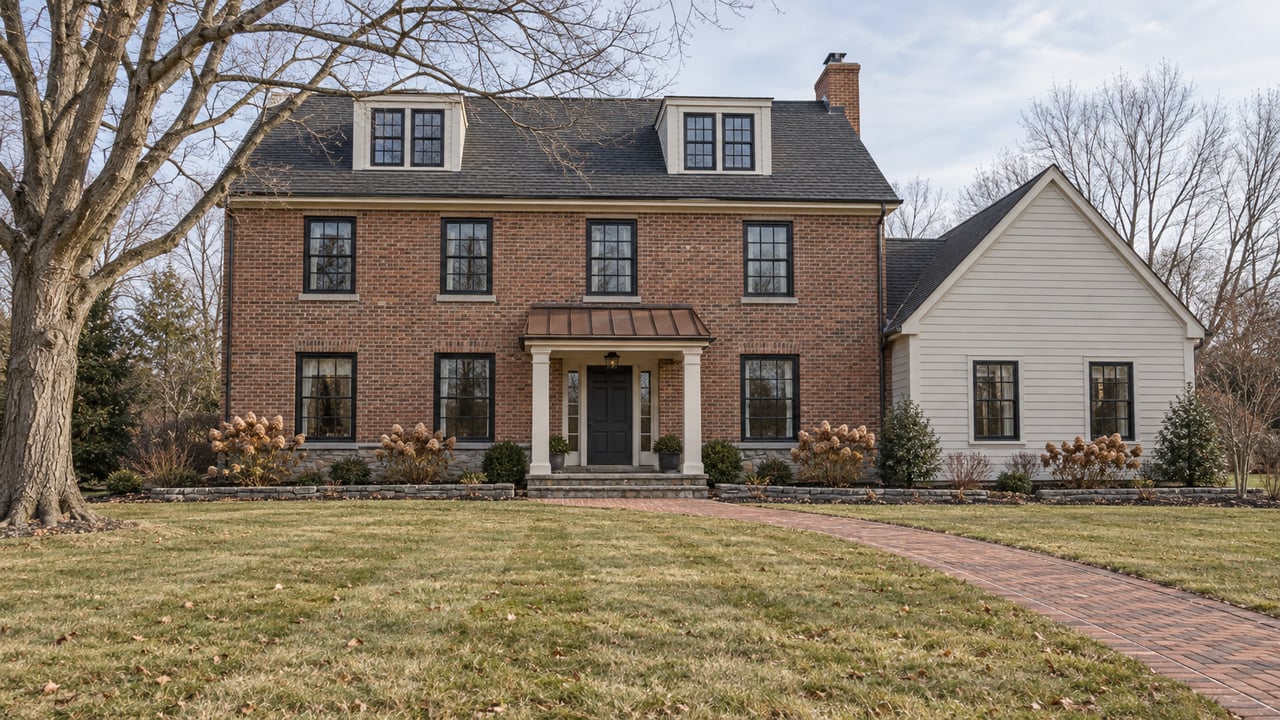
According to the township’s 2025 housing element, Hopewell Township has 6,504 housing units, with 93% occupied. Detached single-family homes make up 87% of the housing stock, while 849 units are in attached or multifamily structures.
The same report shows that only 12% of occupied units are renter-occupied, which helps explain why the area often appeals to buyers focused on longer-term homeownership. It also notes that three- and four-bedroom homes account for 73.3% of units, while studios and one-bedroom homes make up just 3.5% of the housing stock.
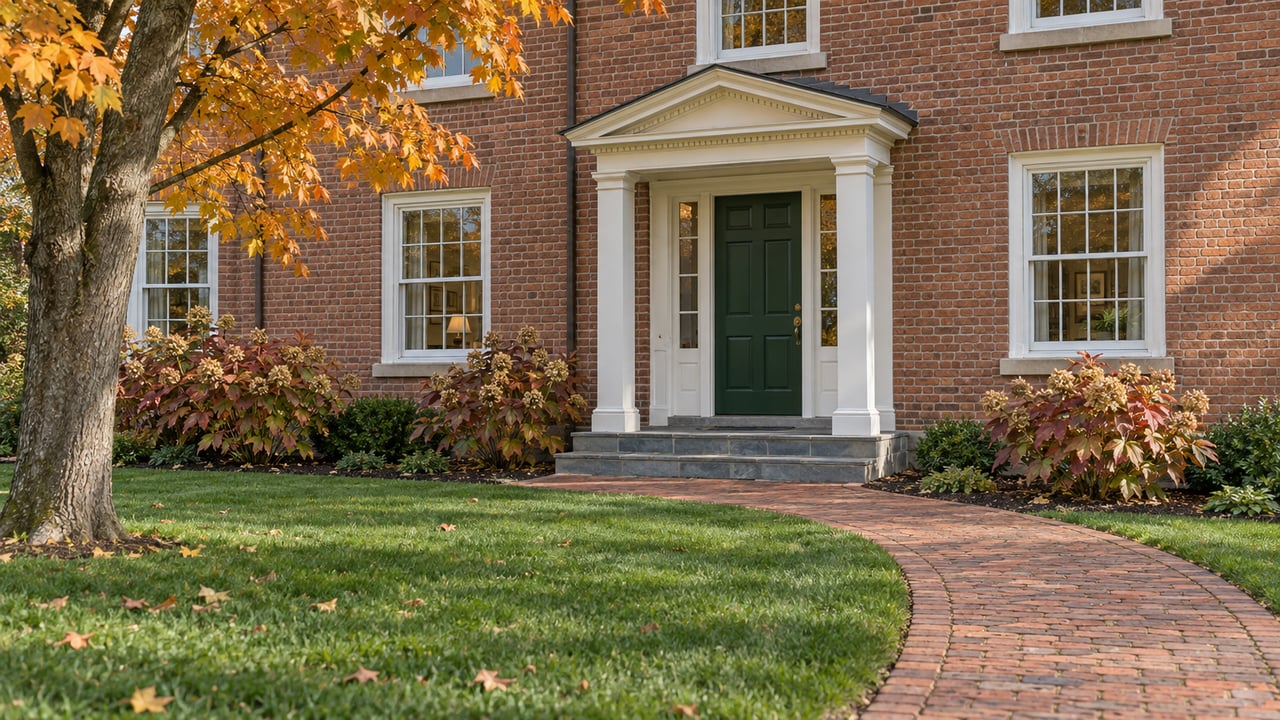
That pattern lines up with what many buyers notice in person. The most common housing story here is a detached, owner-occupied home with family-sized living space and a more spacious lot.
A market built around space
Hopewell’s zoning adds more context to the lifestyle. The township’s residential bulk schedule allows detached single-family lots as small as 7,000 square feet in the R-5 district, but much larger minimums exist in other districts, including 6-acre conventional subdivisions in VRC and 14-acre conventional subdivisions in MRC.
That does not mean every home sits on a large estate-sized parcel. It does mean the township includes many areas where low-density development reinforces a more open residential feel.
There is also more variety than some buyers expect. The zoning schedule allows a range of attached, age-restricted, and clustered housing forms, so Hopewell is not limited to one housing type even though detached homes dominate the market.
Price Context for Buyers
Lifestyle is important, but numbers matter too. If you are comparing Hopewell Township with denser Mercer County markets, it helps to understand the price and inventory backdrop.
The township’s housing element reports a median home value of $567,500 and a median rent of $2,206, based on 2023 ACS data. Those figures offer useful context for buyers or renters weighing the tradeoff between greater space and the costs that can come with it.
The report also states that the median year built is 1976, and 69% of the housing stock was built after 1960. That gives you a sense of the township’s overall housing profile, which often includes established homes rather than predominantly new construction.
Who Hopewell Township Often Appeals To
Hopewell Township can work well for buyers who want a more spacious setting without stepping too far from Mercer County’s broader lifestyle and job network. If your wish list includes outdoor access, larger homes, and a quieter environment, the township may check a lot of boxes.
It can also appeal to buyers who want proximity to local restaurants, independent shops, and community events without living in a denser downtown setting. The combination of preserved land, nearby borough centers, and regional road access is what gives Hopewell its distinctive balance.
For some households, the biggest draw is simple: more room, more greenery, and a pace that feels a little less crowded. That is a meaningful shift, especially if you are moving from a more tightly built suburb or urban area.
What to Consider Before You Move
Hopewell Township offers a clear lifestyle, and it helps to be honest about whether that lifestyle fits your day-to-day needs. The same features that attract one buyer may feel less convenient to another.
Here are a few questions worth thinking through:
- Do you want a road-based commute rather than direct in-town rail access?
- Are outdoor spaces and preserved land an important part of how you want to spend your free time?
- Would you prefer a housing market centered on detached homes and larger floor plans?
- Do you like being near small-town shopping and dining rather than surrounded by dense retail?
If your answers lean yes, Hopewell Township may be a strong match. The area’s value is not just in any one feature, but in how space, nature, and local character all work together.
If you are exploring Hopewell Township or comparing it with other Mercer County communities, working with a local team can help you narrow the options that fit your lifestyle, budget, and timeline. Geniene Polukord can help you evaluate neighborhoods, home types, and market opportunities across Hopewell and the surrounding area.
FAQs
Is Hopewell Township in Mercer County rural?
- Yes. Hopewell Township is widely defined by preserved land, farmland, and a rural character, while still maintaining access to major regional roads.
Are there outdoor activities in Hopewell Township NJ?
- Yes. The township includes parks, preserves, trail systems, and access to nearby state parks and the Delaware and Raritan Canal corridor for hiking, biking, paddling, horseback riding, and other recreation.
What types of homes are common in Hopewell Township?
- Detached single-family homes are the dominant housing type, and three- and four-bedroom homes make up the largest share of the housing stock.
Is Hopewell Township isolated from shopping and dining?
- No. Hopewell Township has local dining and business activity, and nearby Hopewell Borough and Pennington Borough add more shops, restaurants, and community events.
Is Hopewell Township good for buyers seeking more space?
- For many buyers, yes. The township is known for a more open setting, a housing stock centered on detached homes, and zoning patterns that often support lower-density living.