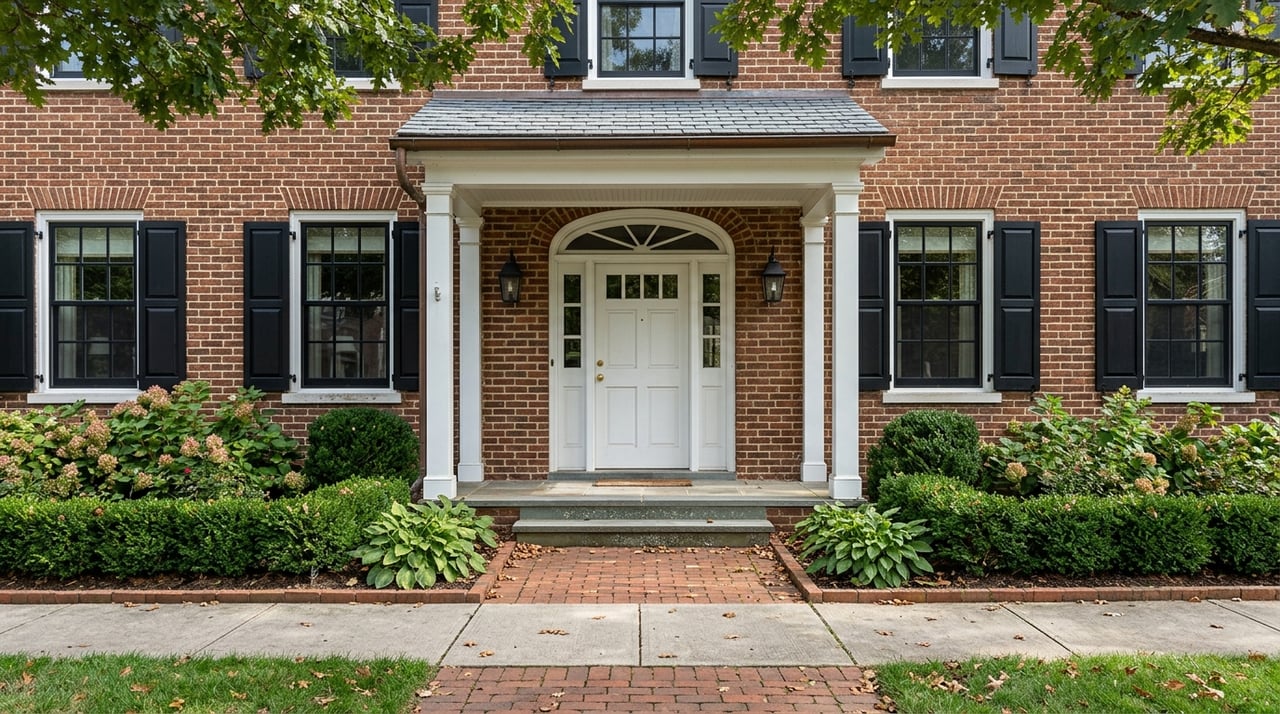
If you are drawn to places with real character, Cranbury stands out right away. This is not just a town with a few old homes scattered around it. It is a historic village where architecture, Main Street, preserved farmland, and everyday green space still work together in a way you can feel as you walk through the center. If you are thinking about buying or selling here, understanding that mix can help you make smarter decisions. Let’s dive in.
Why Cranbury Feels Distinct
Cranbury Township is one of the oldest settlements in the area, and its village core was listed on the New Jersey Register of Historic Places in 1979 and the National Register in 1980. According to the township’s history of Cranbury, the village was described as the best preserved 19th-century village in Middlesex County.
That historic identity is not limited to one landmark or one block. The National Register documentation centers the district on Main Street and nearby village streets, which helps explain why the village still feels compact, walkable, and visually connected. You are not looking at a recreated setting. You are seeing a place that has evolved over time while keeping its original village pattern.
Cranbury’s story also ties closely to transportation, local industry, and agriculture. The village grew around the Cranbury Mills and served as a stage stop on the Philadelphia-Amboy route. The township also notes that the historic village remains linked to surrounding land, with more than 2,000 acres preserved in farmland and hundreds of acres of open space, which adds to the sense of separation from more heavily built-up areas.
What You Notice in Cranbury Homes
One of the most appealing parts of Cranbury is that the architecture feels layered, not uniform. As you move through the village, you can see how homes and small commercial buildings reflect different eras of growth.
Early Vernacular Homes
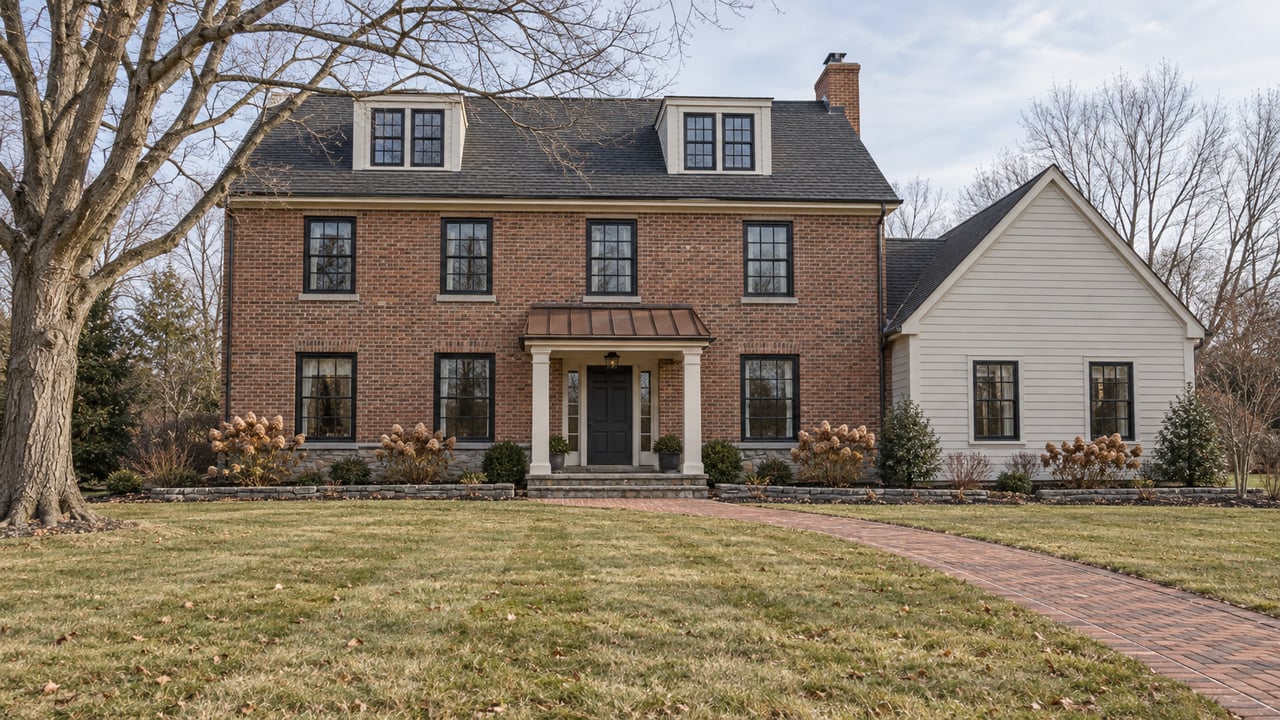
Many of the earliest village homes date from the mid-1700s to the mid-1800s. Cranbury’s historic preservation design guidelines describe these buildings as typically 1 1/2 to 2 stories, often with gable roofs, clapboard siding, and hand-hewn timber frames.
These homes often changed over time. Later wings, porches, and dormers were added as needs evolved, which means a historic home in Cranbury may reflect several periods of use rather than one perfectly preserved moment. For buyers, that can be part of the charm.
Federal and Greek Revival Details
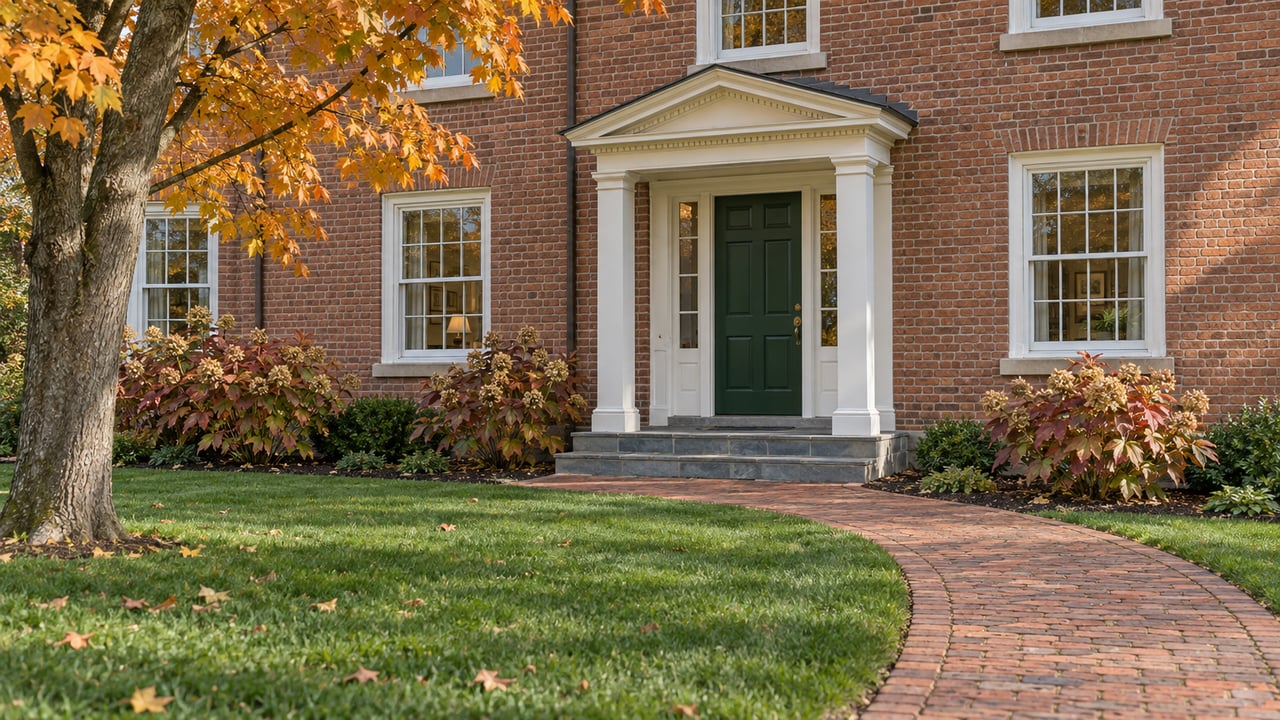
If you enjoy looking closely at exterior details, Cranbury offers a lot to notice. The design guidance and National Register material point to Federal-style features such as symmetrical facades, center-hall or side-hall plans, and fanlights over front doors.
Greek Revival elements also appear in entrance design and porch detailing. These features may not always be dramatic, but they help give the village its refined and orderly streetscape.
Victorian Vernacular Buildings
As Cranbury developed through the late 19th century, the architecture became more varied. The township guidelines note that many later homes and shops are two stories with front-gabled, side-gabled, or L-plan roofs.
Decorative woodwork often appears on porches, rooflines, doors, and windows. In these buildings, you may see Italianate, Queen Anne, or Gothic influences worked into otherwise practical village structures. That mix gives Main Street and nearby blocks a lived-in look rather than a museum feel.
Early 20th-Century Layers
The district also extends into the early 20th century, including bungalow examples and modest commercial buildings. That matters because Cranbury does not read as frozen in a single century.
Instead, the streetscape feels continuous and adaptable. For buyers and sellers alike, that helps explain why different property types can still feel cohesive within the village setting.
What Village Living Means Day to Day
Cranbury’s appeal is not just about architecture. It is also about how the historic core functions in everyday life.
Main Street Still Matters
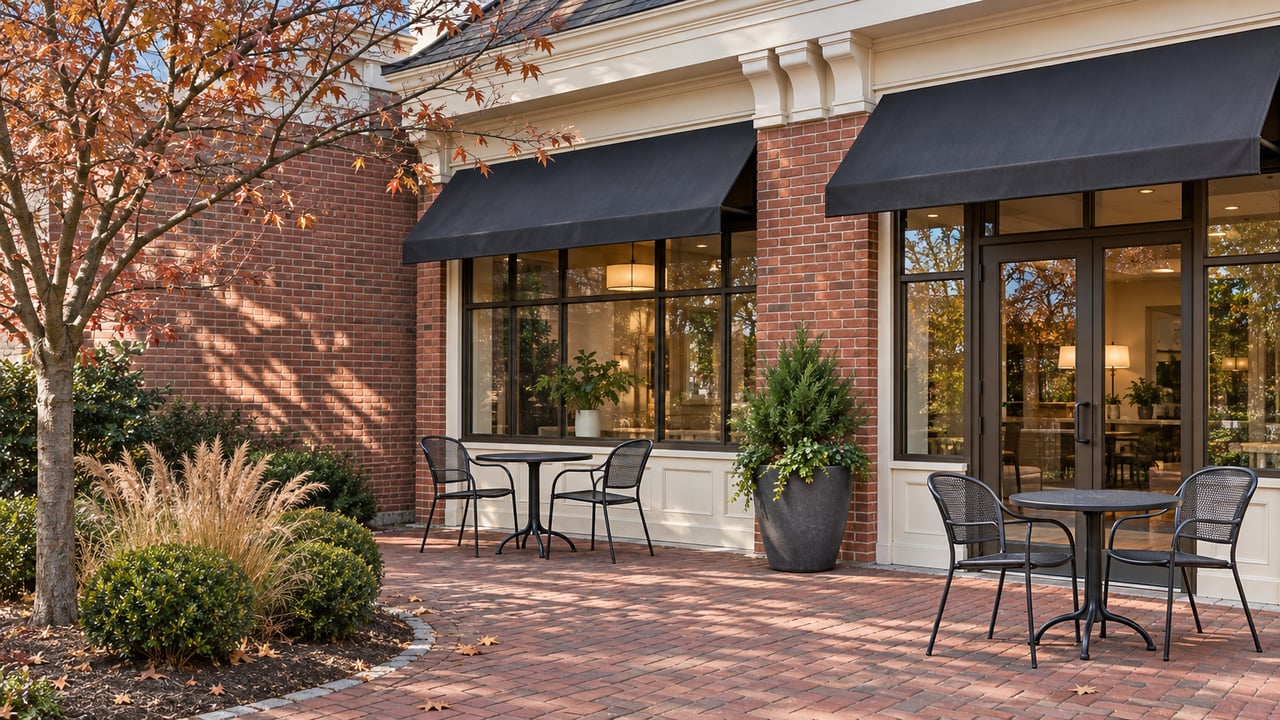
The village’s business pattern remains a big part of its identity. The township’s design guidelines note that small shops and stores have been fixtures on Main Street since the early years, including both freestanding retail buildings and homes with first-floor shops.
That mix is one reason the village feels active instead of purely residential. The township’s current businesses-and-services resources show a live map of local businesses open in person, for pickup, delivery, or online use, which supports the idea of a compact but still-functioning commercial center.
The village also has long-standing business history. The Cranbury Historical and Preservation Society identifies the Cranbury Inn as the town’s oldest continuing business, established in the 1780s. Details like that reinforce how deeply local history is woven into the present-day experience.
Parks Connect to the Village Core
Cranbury also benefits from nearby recreation that is closely tied to the village edge. This makes it easier to enjoy outdoor space without losing the sense of being in a connected center.
A few notable examples include:
- Heritage Park, with a paved pathway for walking, biking, or jogging, plus open fields and benches
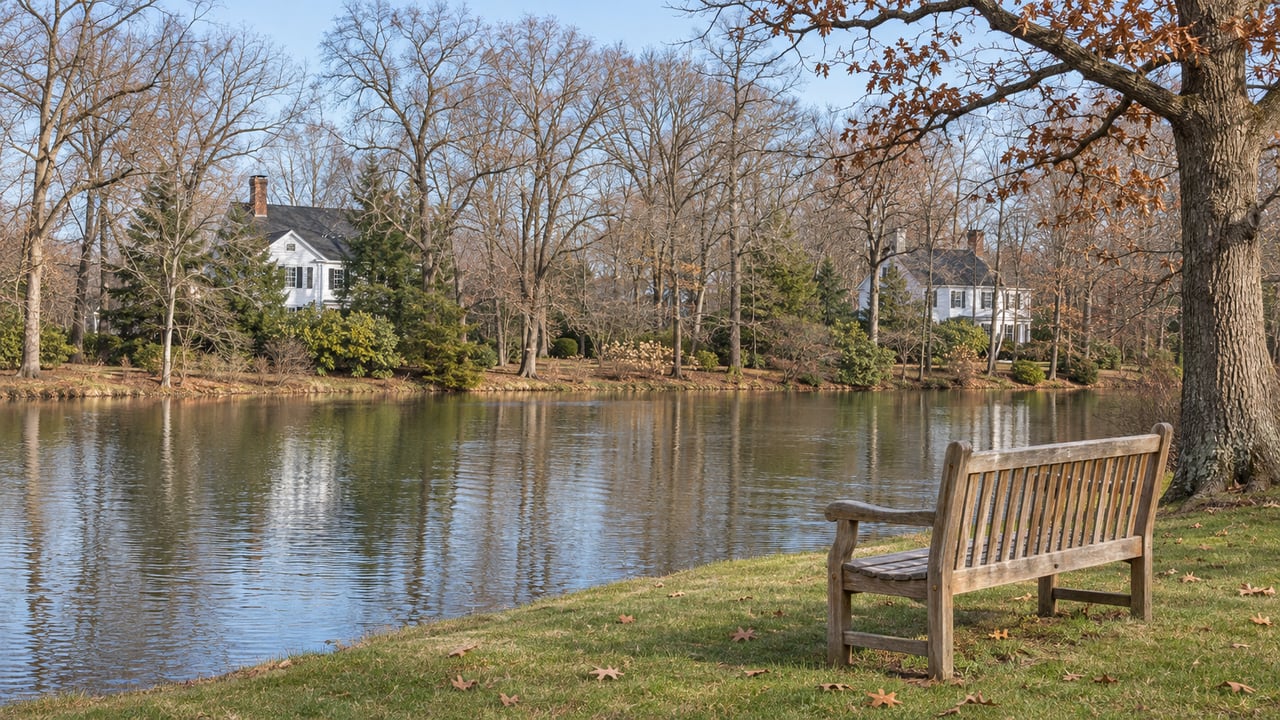
- Memorial Park and Brainerd Dam, accessible from South Main Street with benches and lake views
- Cranbury Brook Preserve, with trails, bird-watching, and North Main Street access
- Village Park, with lakefront space, a walking trail, playgrounds, and active-recreation features
This network of parks and preserves supports a village lifestyle that feels practical, not just picturesque. You can enjoy historic surroundings and still have easy access to walking paths, open land, and everyday outdoor use.
What Buyers Should Know About Historic Homes
If you are considering a historic home in Cranbury, it helps to understand both the appeal and the added responsibilities. Older homes can offer original details, established settings, and a level of architectural character that is hard to replicate.
At the same time, a home in a designated historic district may come with a more deliberate process for exterior changes. That does not need to be a drawback, but it does mean you should go in informed.
Exterior Changes May Need Approval
Cranbury requires a Certificate of Approval for certain exterior work within designated historic districts. According to the township’s Historic Preservation Commission FAQ, that can include demolition or relocation, additions, new construction, changes to exterior appearance, and changes to signs or exterior lighting.
The same FAQ also explains that interior changes do not require HPC review. Ordinary maintenance using in-kind materials and workmanship may not require review either, and painting alone does not trigger review, although related permits or preservation approval may still apply depending on the project.
Compatibility Matters More Than Imitation
One of the most helpful points in Cranbury’s guidelines is that preservation is based on compatibility, not imitation. The focus is on retaining historic character, preserving craftsmanship, repairing rather than replacing historic wood windows when possible, and making sure additions or new work fit the scale, massing, placement, and rhythm of the streetscape.
For you as a buyer, that means a historic property may offer a strong sense of continuity with the village around it. For you as a seller, it means the home’s original features and thoughtful updates may carry real value in how buyers experience the property.
What Sellers Can Highlight
If you are preparing to sell a home in Cranbury, your marketing should do more than list square footage and finishes. Buyers considering this village are often responding to setting, character, and the way a property fits into the wider streetscape.
That means it can help to highlight features such as:
- Original exterior materials or preserved architectural details
- Additions or updates that respect the home’s scale and style
- Proximity to Main Street, parks, and footpath connections
- The relationship between the home, the village core, and surrounding open space
Cranbury is a place where context matters. A strong presentation should show not only the house itself, but also why its location within the village is meaningful.
Preservation Is Part of Daily Life
In Cranbury, historic preservation is not just a policy on paper. It shows up in how public buildings and community spaces have been maintained and reused over time.
For example, the township notes that Town Hall occupies a restored 1896 school building, while the Cranbury History Center is housed in the restored Gristmiller’s House. These examples help show that preservation here is active and practical. It supports present-day use while keeping visible links to the past.
That is a big part of Cranbury’s appeal. You get a village environment with architectural depth, a working Main Street pattern, and access to nearby open space, all within a place that continues to function as a living community.
If you are weighing a move to Cranbury or preparing to position a home for sale, local guidance can make a real difference. To talk through the market, property presentation, or what to look for in a historic home, connect with Geniene Polukord.
FAQs
What makes Cranbury feel like a historic village?
- Cranbury’s village core is listed on the New Jersey Register of Historic Places and the National Register of Historic Places, and its Main Street-centered layout still reflects its historic development pattern.
What architectural styles can you see in Cranbury homes?
- You can find early vernacular homes, Federal and Greek Revival details, late 19th-century Victorian vernacular buildings, and some early 20th-century bungalow-era structures.
What should buyers know about renovating a historic home in Cranbury?
- Exterior changes in designated historic districts may require a Certificate of Approval, while interior changes do not require HPC review according to the township’s Historic Preservation Commission FAQ.
What does Cranbury’s preservation approach focus on?
- Cranbury’s design guidelines emphasize compatibility with historic character, including scale, massing, placement, rhythm, and preservation of distinctive architectural features.
What amenities support village living in Cranbury?
- Main Street businesses, nearby parks, walking paths, preserves, and lakefront spaces all support everyday village living in and around the historic core.
Why should sellers market the setting as well as the house in Cranbury?
- In Cranbury, buyers are often drawn to the relationship between the home, the historic streetscape, Main Street, and nearby open space, so context can be an important part of the property’s appeal.