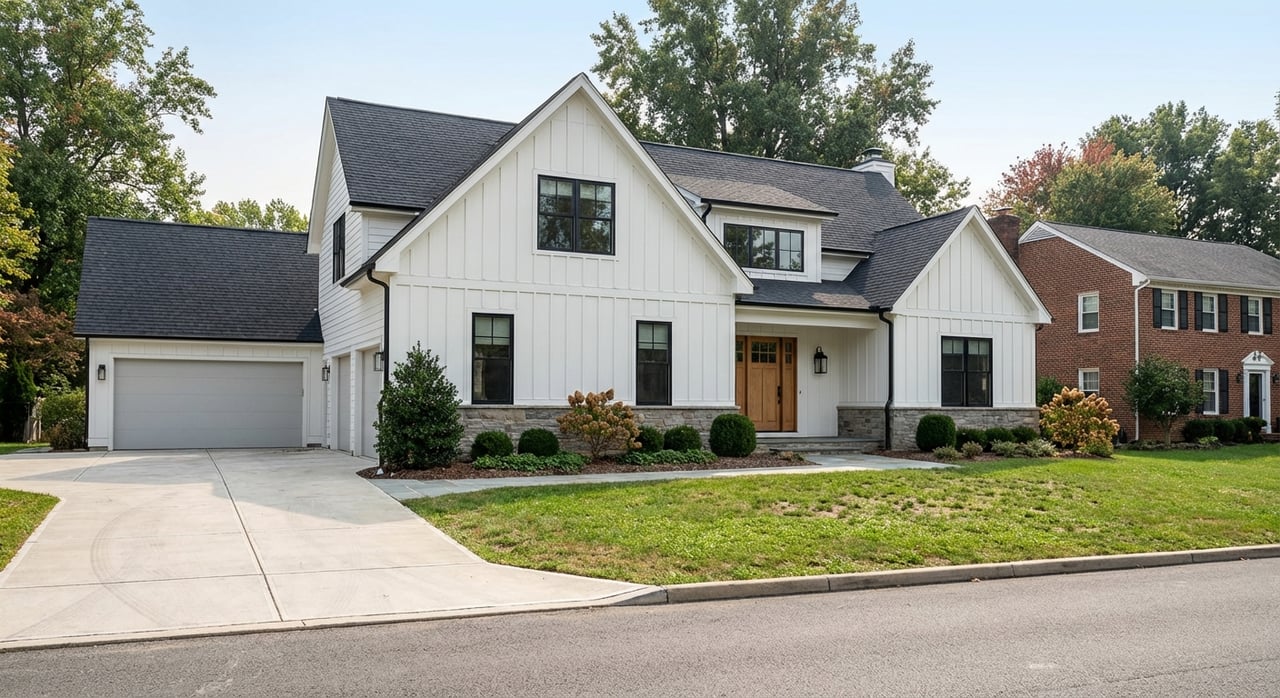
Torn between the energy of Princeton and the suburban ease of West Windsor? You are not alone. Both offer strong schools, convenient rail access, and a high quality of life, yet they feel different day to day. In this guide, you will see an apples-to-apples comparison of prices, homes, commutes, taxes, parks, and lifestyle so you can choose with confidence. Let’s dive in.
Big picture: two great choices, different rhythms
Princeton centers on a compact, historic downtown with walkable streets, university culture, and a mix of condos, townhomes, and older single-family homes. West Windsor is more traditionally suburban, with many single-family neighborhoods, townhome communities, and commuter-friendly access to Princeton Junction station. Both appeal to buyers who value strong schools and convenient transit.
Price snapshot and what it means
Prices vary by neighborhood and housing type, but recent snapshots show Princeton trending higher on average. Zillow’s city-level index reports a typical Princeton home value near 939,418 dollars, based on data through January 31, 2026. Realtor.com’s West Windsor overview shows a median price near 822,000 dollars, with reporting through December 2025. Use these as broad guideposts, then drill into current listings by property type to get a real-time read.
Housing feel and inventory
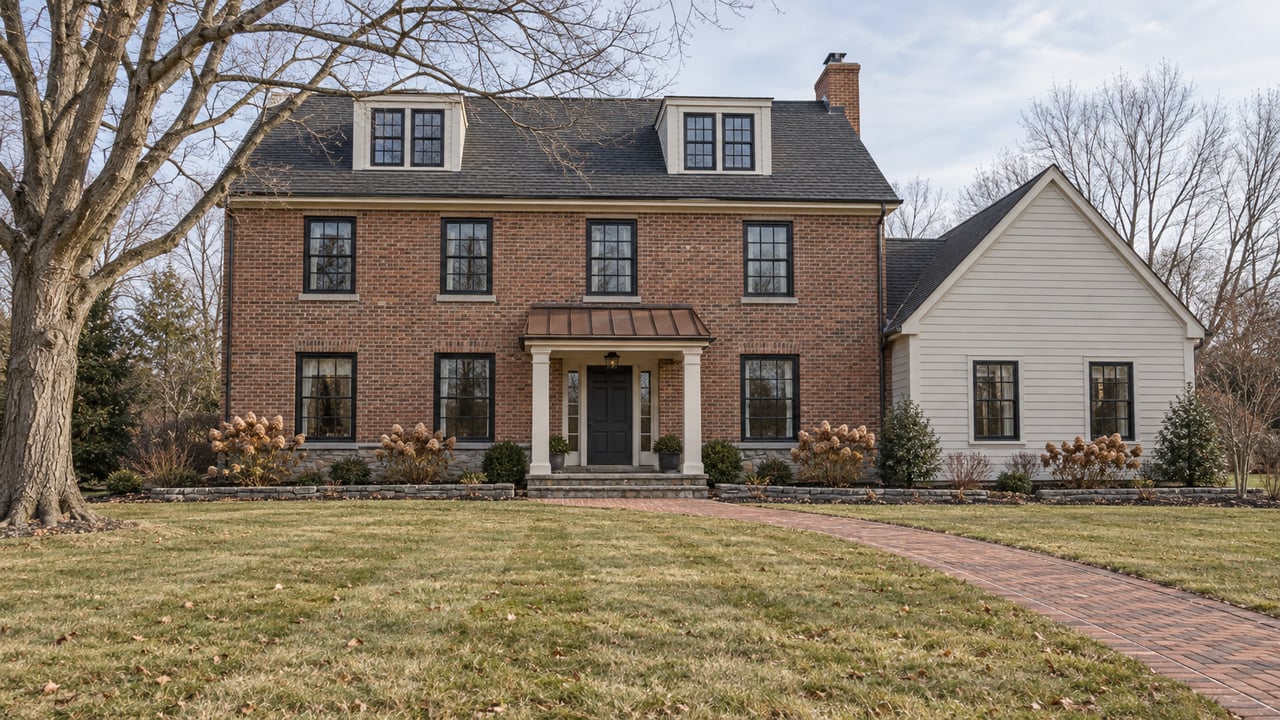
In Princeton’s core, you will find walkable blocks around Palmer Square with restaurants, shops, apartments, and condominiums alongside historic homes. Surrounding neighborhoods shift to a more suburban pattern with varied lot sizes. In West Windsor, most housing is suburban, with a high share of single-family homes and a strong presence of townhomes near Route 1 and the Princeton Junction corridor. Expect more traditional lot-and-yard living across West Windsor.
Lot sizes and what zoning allows
Minimum lot sizes in both towns vary by zoning district, which affects what you can build or add. Princeton’s municipal code outlines multiple residence districts with different minimums and cluster rules. You can review the schedules in the municipality’s code for detail on specific zones. West Windsor’s code also sets varied lot-area minimums across its districts, from smaller cluster-friendly areas to lower-density zones with larger minimums. Always check the exact zoning before you plan additions, pools, or accessory structures.
- See Princeton zoning framework: Municipality of Princeton zoning and bulk regulations
- See West Windsor zoning framework: Township of West Windsor Use and Bulk Regulations
Commute and transit realities
Rail ties these communities together. The Princeton Branch, known as the Dinky, connects downtown Princeton to Princeton Junction in about 4 to 5 minutes and is timed for Northeast Corridor trains. From Princeton Junction, many trains to New York Penn Station run in roughly 60 to 75 minutes depending on express vs local schedules and time of day. Your door-to-door time will include parking or first-mile travel to the station.
- Learn about the Dinky connection: NJ TRANSIT Princeton Branch
- View typical train times to NYC: Princeton Junction to New York examples
Driving is common for regional trips along US-1 with connections to the New Jersey Turnpike and I-295. Many commuters choose rail to avoid peak-hour Route 1 traffic. If daily train travel is key, account for station parking permits, potential waitlists, and ParkMobile daily options when you plan your routine.
Schools, parks, and culture
Both communities are served by high-performing public school systems. Princeton has Princeton Public Schools, and West Windsor is part of the West Windsor–Plainsboro Regional School District. Each district offers a broad range of academic and extracurricular programs. Review each district’s official resources to compare programs and feeder patterns that match your needs.
- Overview of Princeton’s district: Princeton Public Schools
Parks and culture shape daily life in different ways. West Windsor residents use local parks and regional destinations like Mercer County Park for sports fields, trails, and lake activities. Princeton’s walkable core brings university-driven culture, including events at McCarter Theatre and downtown programming around Palmer Square.
- Regional context and parks: West Windsor, New Jersey overview
- Princeton’s cultural venues: McCarter Theatre and Palmer Square shops and dining
Taxes and true affordability
Property taxes are a key part of monthly cost. Local reporting shows Princeton’s average property tax bill is among the higher bills in Mercer County, while West Windsor’s average bill is typically lower than Princeton’s. These figures reflect both tax rates and assessed values, and individual properties can vary widely, so use a sample address to estimate a real payment.
- Local comparison context: Mercer County property tax averages
To frame purchasing power, U.S. Census QuickFacts shows West Windsor’s median household income near 197,190 dollars and the community’s median owner-occupied home value around 776,400 dollars based on 2020 to 2024 estimates. Numbers update over time, but they give helpful context when you think about budgets and mortgage qualification.
- Income and value context: Census QuickFacts for West Windsor
Which town fits your everyday life?
Choose Princeton if you want
- A walkable, historic downtown feel with shops, cafés, and university programming close by.
- Condos, townhomes, and in-town single-family homes with shorter local errands.
- An active cultural calendar and easy access to the Dinky for Princeton Junction connections.
Choose West Windsor if you want
- Predominantly single-family neighborhoods and a wide selection of townhomes.
- Larger backyards on average and a suburban street pattern.
- Commuter convenience to Princeton Junction, plus quick access to parks and sports fields.
Both choices are strong. Your decision comes down to how you like to spend a typical weekday and weekend, and which housing types within your budget are available when you are ready to buy.
Smart steps to compare homes
- Map your commute door to door. Add time for parking, transfers, or the Dinky if you start in downtown Princeton.
- Walk sample blocks at different times of day. Compare street feel, traffic, and noise near train corridors or main roads.
- Check zoning before planning upgrades. Use municipal code links to confirm rules for additions, pools, or potential accessory structures.
- Compare total monthly costs. Add mortgage, taxes, insurance, utilities, and estimated maintenance to see the true picture.
- Tour several property types. See how a Princeton condo compares to a West Windsor single-family home in the same price range.
How we help you decide with confidence
You deserve a clear, calm process that matches your lifestyle and budget. Our team pairs deep local knowledge of Princeton and West Windsor with hands-on guidance and thoughtful presentation. We help you benchmark prices by property type, understand commute tradeoffs, and evaluate lot sizes and zoning so your purchase fits today and tomorrow.
If you are selling, our staging advice and professional marketing help your home show its best. If you are buying, we preview opportunities, watch the right micro-markets, and move quickly when the right home hits the market. Ready to compare neighborhoods and see what is possible? Schedule your Complimentary Home Consultation with Geniene Polukord.
FAQs
What are the typical price differences between Princeton and West Windsor?
- Recent snapshots show Princeton’s typical home value near 939,418 dollars as of January 31, 2026, while West Windsor’s median listing price was about 822,000 dollars with reporting through December 2025; prices vary by neighborhood and housing type.
How long is the NYC commute from Princeton or West Windsor?
- From Princeton Junction, typical train times to New York Penn Station are roughly 60 to 75 minutes depending on the schedule; the Dinky adds about 4 to 5 minutes between downtown Princeton and Princeton Junction, plus time for parking and transfers.
Are public schools strong in both Princeton and West Windsor?
- Yes; both Princeton Public Schools and West Windsor–Plainsboro Regional are widely recognized for strong academics and programs; review official district resources to compare offerings and attendance boundaries.
Where will I find larger yards on average?
- West Windsor’s suburban neighborhoods commonly offer larger lots and a traditional yard-and-street pattern; Princeton’s in-town areas tend to have smaller lots, with larger parcels found farther from the core.
What should I know about property taxes?
- Local reporting shows Princeton’s average property tax bill is generally higher than West Windsor’s, but actual bills vary by property; use a sample address or assessor data to estimate your specific annual cost.
Is there a walkable downtown in West Windsor like Princeton’s?
- West Windsor is primarily suburban with shopping spread along main corridors, while Princeton has a compact, historic downtown centered on Palmer Square with shops, dining, and university-linked events.